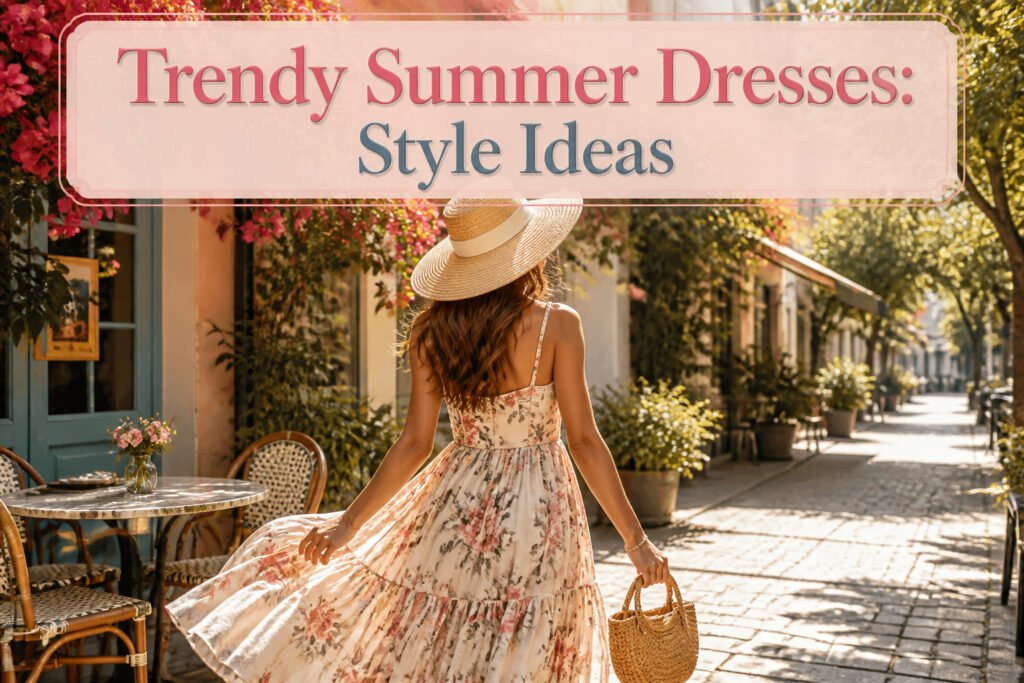
Trendy summer dresses for 2026 are lightweight, breathable garments built around cotton and linen blends that keep their shape through real summer wear. The catch is that most of the 200 styles worth buying sit above $100, where seam finishes and fabric density actually survive July humidity. One quick test saves the regret: press the skirt’s inner fabric against your forearm for thirty seconds. If it traps heat there, it will punish you at an outdoor lunch.
1. Elegant Summer Dresses

Lightweight fabrics and flattering silhouettes are the pairing that actually makes an elegant summer dress work in practice, not just on a hanger. The 200 dresses in this collection split across three price tiers: 68 styles sit under $50, 106 land in the $50–$99.99 bracket, and 1151 options run $100–$499.99. That distribution surprised me. The entry point is real, but the bulk of the investment sits higher, which says something about where the fabric quality and cut refinement actually start showing up.
Sleeveless designs dominate at 97 pieces, with short sleeve trailing at 45 and long sleeve at 16. The silhouette range runs from flowing hemlines to off-the-shoulder cuts, and the color spread is wide: 52 blue, 32 black, 24 white, with metallic and multi holding just 2 and 6 respectively. What I notice in that breakdown is how the "elegant" promise leans on simplicity of line rather than embellishment. The metallic count is low for a reason: summer heat and shiny fabric are a combination that works better in theory than at a garden party when the temperature climbs.
The practical move is to match sleeve choice to your actual calendar. Sleeveless for outdoor brunches where airflow matters, short sleeve for the office-to-evening transition, and those 16 long sleeve pieces for evenings that cool down faster than the forecast predicted.
2. Lightweight Fabrics
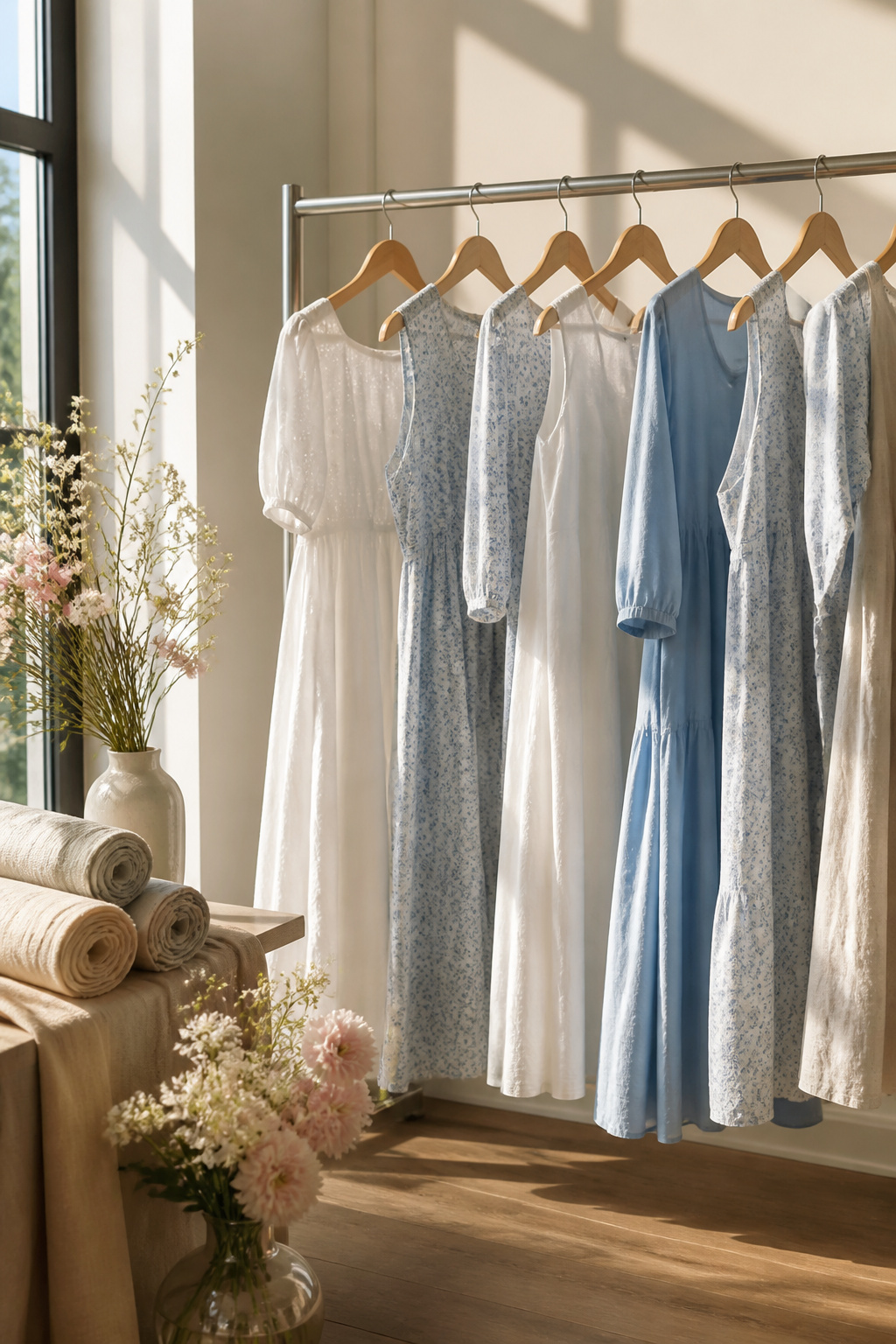
Breathable fabric makes the difference between a dress you reach for all season and one that stays folded in the drawer. 100% cotton remains the standard for good reason: it pulls moisture away from skin and lets air pass through the weave, which matters when you’re standing at an outdoor wedding or walking a street fair in July humidity. Cotton blends add a small percentage of synthetic fiber, usually polyester or elastane, to reduce wrinkling and help the dress keep its shape through repeated washing. The tradeoff is slightly less airflow, though for a fitted sundress that needs to stretch, the blend often wins. Linen blends work similarly, mixing linen with cotton or rayon to soften the characteristic stiffness of pure linen while keeping that distinctive cool, dry hand-feel against the body. A linen-cotton blend in a looser weave drapes well without the aggressive creasing that makes 100% linen look slept-in by noon. For outdoor events where you’ll move between sun and shade, these three materials handle sweat and heat better than anything fully synthetic, and they photograph better too, since polyester sheen catches light in ways that read cheap in candid shots.
3. Flattering Silhouettes
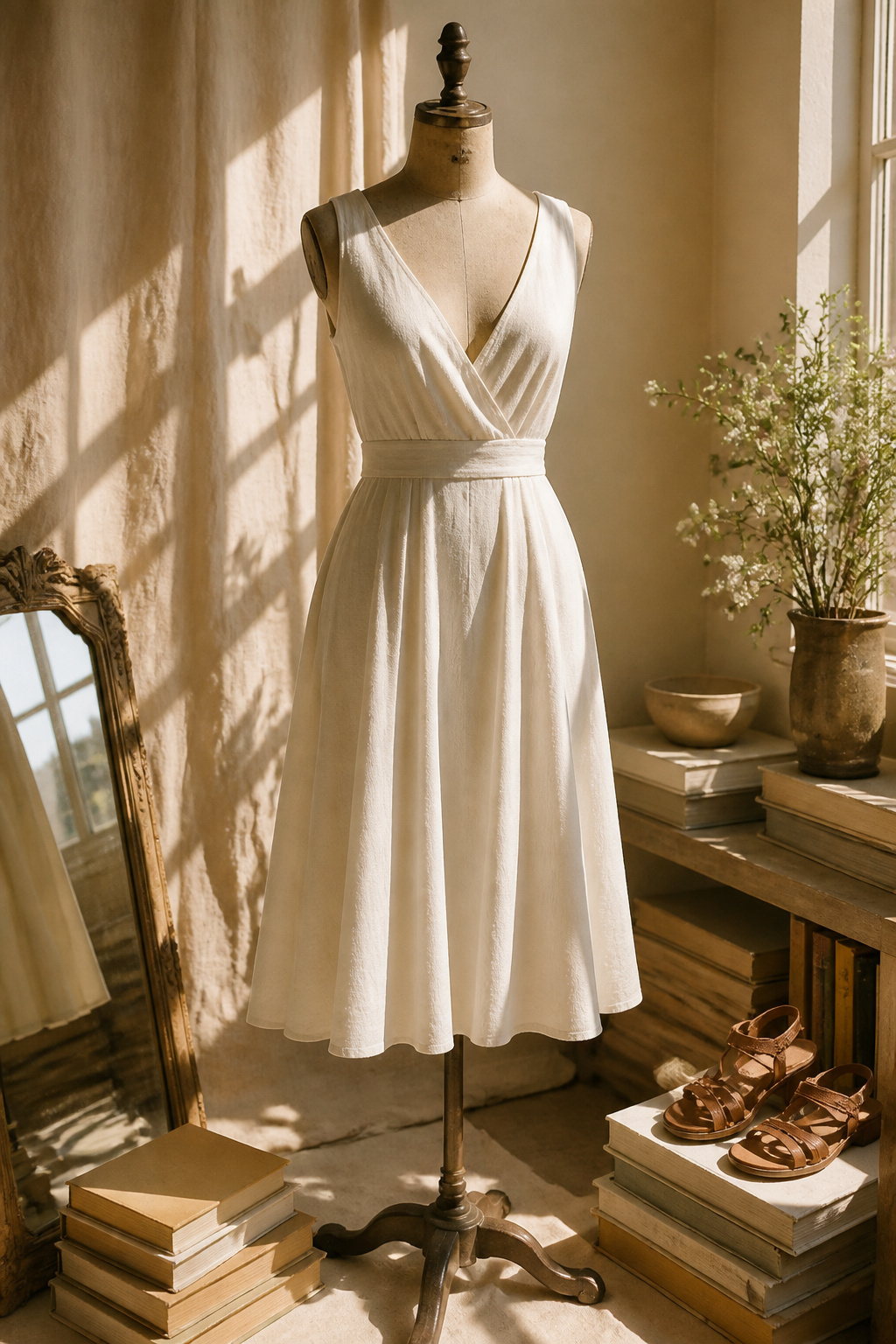
A dress that looks good in the mirror but fights you when you walk is one I leave in the cart. The tailoring on this season’s styles keeps the waist defined without pinning your arms, which matters more to me now than it did in my twenties. I used to grab anything labeled bodycon and spend the evening tugging. These cuts let you raise a coffee cup or chase a kid across the patio without the fabric riding up.
The size range runs 2XS through 2XL, with Small, Medium, Large, XL, and XS filling the middle. That spread covers a wider frame than most summer lines I’ve watched, and the grading between sizes looks consistent rather than an afterthought. For my own shape, the slight A-line through the hip hides what sitting in office chairs has done to my silhouette, while the shoulder seam sits where it should instead of drifting toward my elbow. Sleeveless cuts outnumber the others by a wide margin, so if you need a cap sleeve or long sleeve, the pickings are thinner. I would order two sizes and plan to return one, because "flattering" still depends on where you carry your weight.
4. Versatile Styles
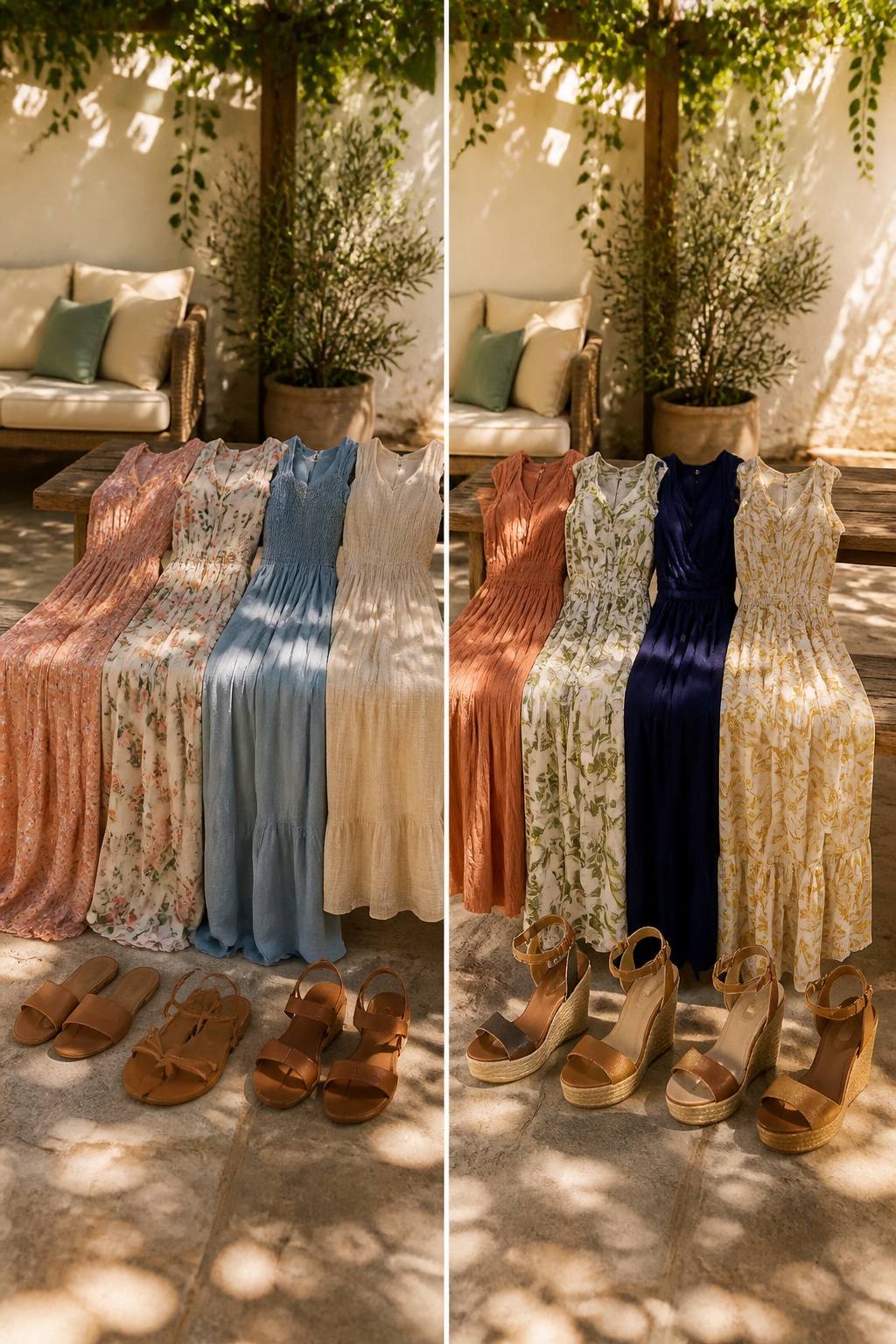
The right length for a summer dress depends on where you’re headed after breakfast. A midi lands at the sweet spot for most calendars, falling somewhere between the knee and mid-calf. That hemline works with flat sandals for errands and swaps into heels for dinner without looking underdressed either way.
Maxi dresses carry the same flexibility lower down. The full length reads formal at a garden wedding, but the same dress in a soft jersey with sneakers looks like weekend uniform. The difference is almost always fabric weight and whether the shoulder stays bare or gets covered.
Fit and flare shapes give the waist definition that a sheath doesn’t, which matters when you’re deciding between "put-together" and "comfortable enough for a three-hour meeting." Sheath dresses run straighter from shoulder to hem, so they lean harder into accessories and shoes to signal the occasion.
Shirtdresses split the difference with a borrowed-from-him collar that buttons down the front. Roll the sleeves and belt it loose for Saturday, or add structured leather sandals and the same dress handles a casual Friday.
Mini lengths aren’t in my regular rotation anymore. The proportions demand more thought about coverage and context than I’m willing to give before coffee, though a lined cotton mini still has its place for actual beach days.
5. Chic Details

Ruffles along a neckline or hemline catch light and shadow in a way that reads expensive even on a budget dress. Lace panels work the same trick, though the placement matters more than the amount; a single inset at the back or sleeve keeps the look current where all-over lace can feel costume. Prints, especially in black or deep blue, let the detail do the work so the rest of the outfit stays simple.
Color changes how these details read. White lace on a white base disappears into texture, while red or green lace against a solid ground turns the same panel into a focal point. A black dress with tonal ruffles moves differently than one in bright blue with the same cut. The ruffle or lace should solve a problem, not add one: a ruffle at the shoulder balances narrow hips, and lace at the sleeve draws the eye up if you want that. Skip the detail if it sits where you already have volume you do not want emphasized.
6. Styling Tips
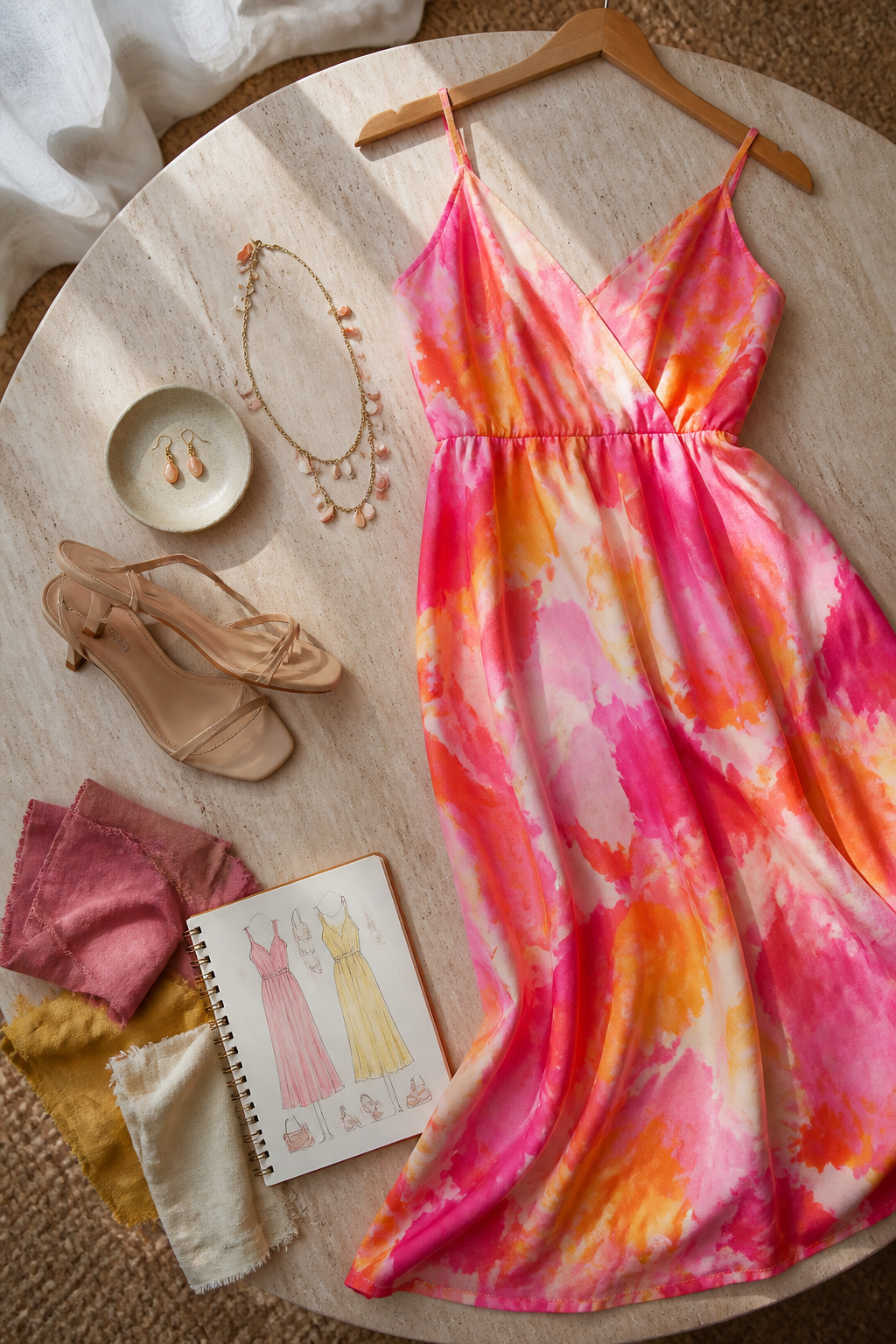
Sandals keep a dress casual, but heels shift it toward evening without much effort. The trick is picking the right shoe weight for the sleeve length, then letting one piece of jewelry do the talking instead of piling on three.
- Cap sleeve dresses balance best with delicate sandals and a single bracelet; the sleeve already adds visual weight at the shoulder, so heavy earrings fight it.
- Short sleeve and sleeveless styles leave more room for statement earrings or a bold necklace, and either flat sandals or a mid-heel work here.
- Strapless dresses need the shoe to do more: a heeled sandal in leather or a clean wedge keeps the line long, and one oversized ring or cuff reads polished instead of crowded.
- Long sleeve dresses in summer weight run warm, so flat strappy sandals keep the look grounded; skip the necklace and let a sculptural earring show at the collar.
A lightweight cardigan or denim jacket over any of these extends the outfit past sunset without changing the core pairing.
7. Occasion Ideas

A single summer dress can carry you through three very different events if you choose the bones right. Garden parties call for the move I keep coming back to: a midi length with a flowing hemline that brushes the grass without dragging, paired with flat sandals for the lawn and swapped to wedges when the path turns to gravel. The same silhouette works at a beach wedding once you trade the casual shoe for heels and add something that catches light, a piece of statement jewelry or a structured clutch that says you understood the invitation.
Casual brunches and daytime outings are where the dress proves its worth without any change at all. The lightweight fabric and breathable cut that kept you cool for the ceremony still matter at an outdoor table, and the delicate print reads intentional rather than overdressed. Layering handles the rest. A denim jacket over the shoulders covers the air-conditioning chill or a breeze off the water, and it comes off just as easily when the afternoon warms. Two ways to play the accessories: lean into the same jewelry for continuity, or strip back to nothing but the dress and let the cut speak alone. The second option wins when the fabric has enough detail, a geometric or tropical pattern that carries the whole look without help.
What I Look for First
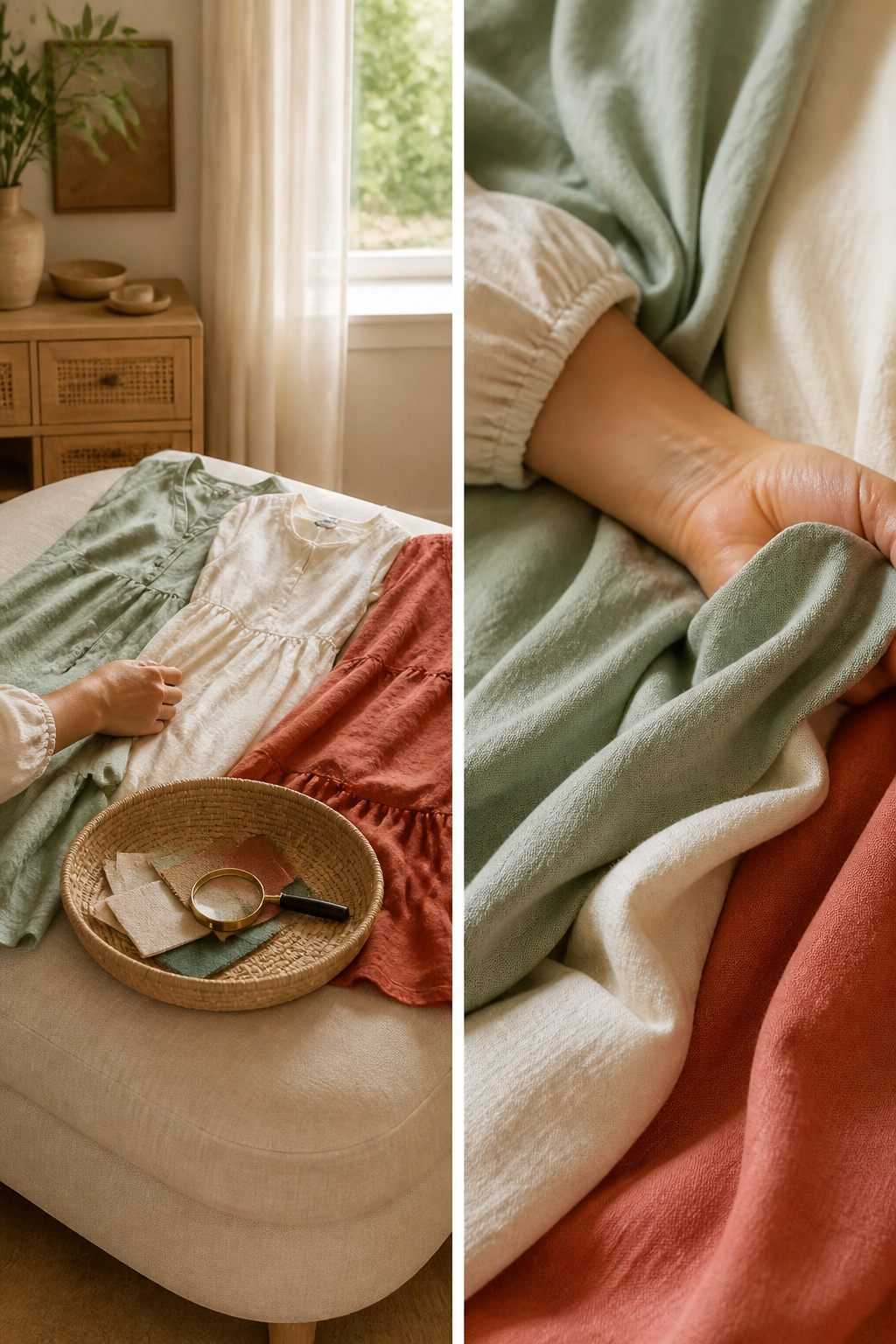
Fabric against skin is where summer dresses earn or lose their keep. A linen blend that felt crisp and breathable in the store can turn scratchy and moisture-trapping by hour three of a July afternoon. The mistake that taught me this was a sage midi I bought online, seduced by the drape in photos; the weave was stiff enough to chafe at the waistband, and I spent the evening tugging at seams instead of enjoying dinner outside. A thirty-second forearm test against the inside of the skirt saves that regret: press the fabric to the softer skin on your inner arm and hold it there. If it heats up or starts to feel like it is repelling air rather than letting it pass, the dress will punish you in August.
Care instructions come next, and they separate dresses that survive a season from dresses that survive years. I ruined a hand-painted cotton piece by assuming cold water and a gentle cycle would cover it; the dye ran in ribbons, and the shape relaxed into something that fit no one. Now I check for line-dry requirements before I buy, because a dress that demands flat drying on a rack in cramped summer space is a dress I will eventually shortcut through the dryer. Sun protection is the last filter. Dense weaves and darker colors block more UV naturally, but some labels now list UPF ratings. A long-sleeved maxi in a rated fabric gives real coverage without the sunscreen reapplication math, and that matters more to me now than it did at twenty-five.
Natural Fabric Check
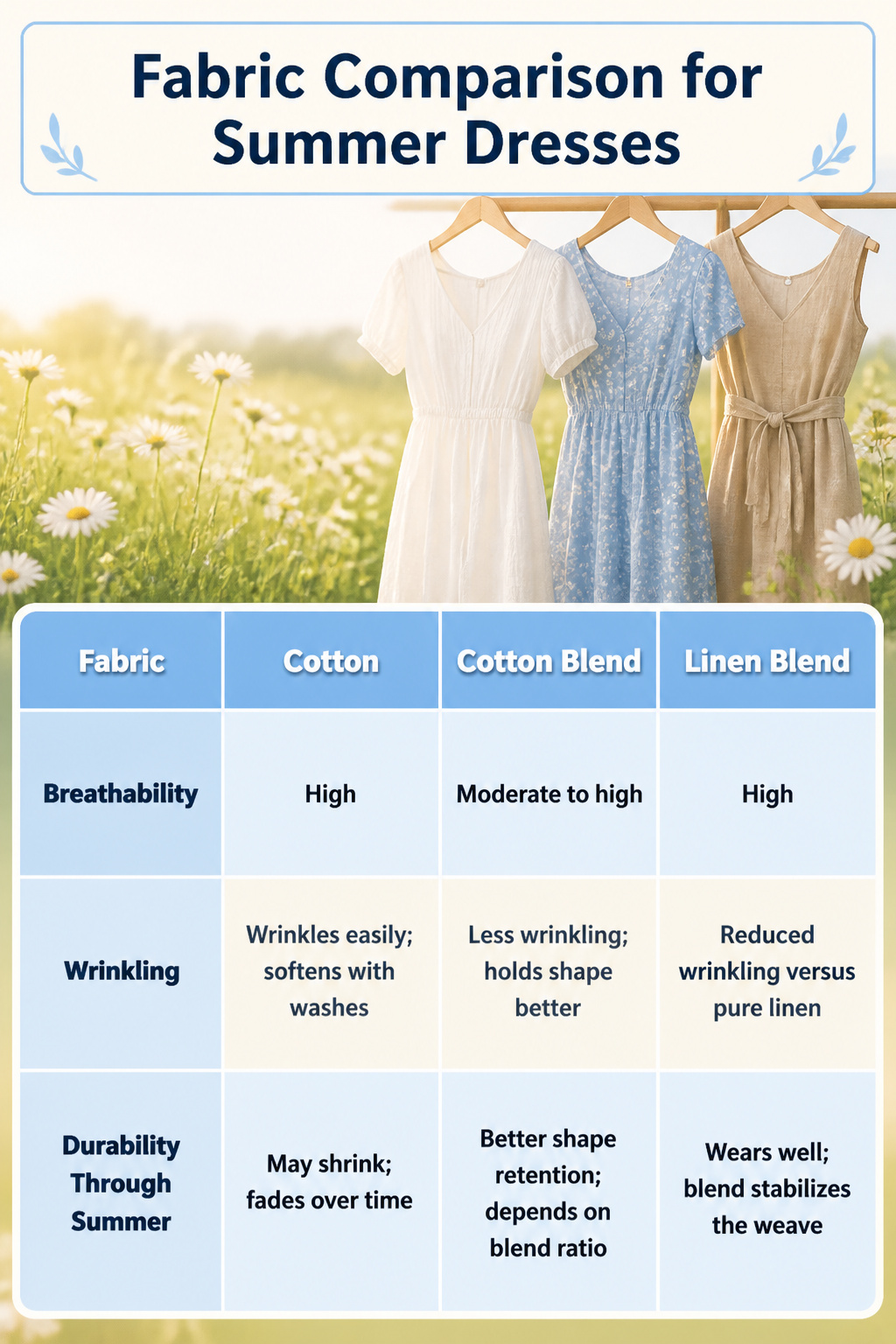
Fabric labels on trendy summer dresses tell the same story as skincare bottles once you start reading them. Cotton breathes well but shrinks and wrinkles through repeated washing. A cotton blend holds shape better with less ironing, though the synthetic percentage varies by garment and some mixes trap heat. Linen blend sits in the middle: the linen keeps air moving, the added fiber reduces the wrinkling that pure linen is famous for, and the dress usually survives a full summer of machine washing without turning into a rag.
| Fabric | Breathability | Wrinkling | Durability Through Summer |
|---|---|---|---|
| Cotton | High | Wrinkles easily; softens with washes | May shrink; fades over time |
| Cotton Blend | Moderate to high | Less wrinkling; holds shape better | Better shape retention; depends on blend ratio |
| Linen Blend | High | Reduced wrinkling versus pure linen | Wears well; blend stabilizes the weave |
For my own buying, linen blend wins for dresses I plan to wear weekly from June through August. The breathability difference against full synthetic is real on humid days, and the reduced wrinkling means I do not need to iron before every wear.
Sizing That Actually Fits
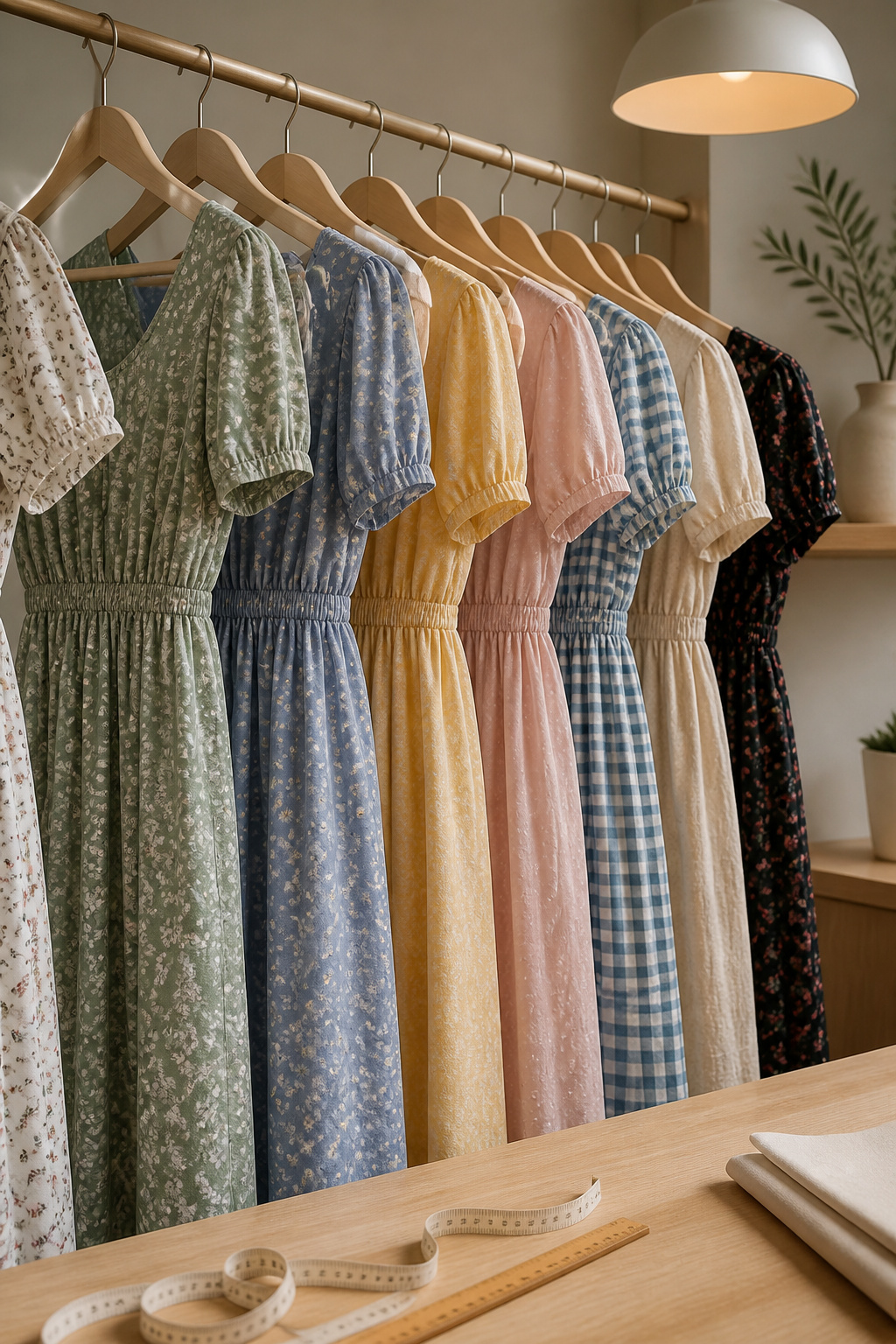
Sheath dresses run tightest through the hips, and last June I learned that the hard way. I ordered a medium in a cotton-blend sheath I’d been eyeing, assuming my usual size would work because the same brand’s fit-and-flare in medium had plenty of room. The sheath sat three inches above where it should have closed at the waist, and the return window was already gone. Fit-and-flare styles generally give two to four extra inches of ease through the hips compared to the labeled waist measurement, which is why that silhouette works when you float between sizes. Shirtdresses split the difference; the button placket and belted waist disguise where the fabric actually lands, but the bust point sits higher on smaller frames, so a 2XS can look boxy where a petite would taper. For trendy summer dresses across the full 2XS–2XL range, the labeled size almost never tells the whole story. A sheath in one brand’s 2XL can match another’s 1XL through the seat. I now check three points: the waist seam placement, whether the fabric has any stretch, and whether the model in the product photo can raise her arms without the hem lifting above mid-thigh. That last one saved me twice this season.
Price Bracket Reality

Under $50 usually means a fabric weight below 120 gsm and seams finished with a simple overlock. The dress holds its shape through one summer, maybe two if you line-dry it. Between $50 and $99.99, the cotton or linen blend tends to sit around 150–180 gsm, with French or flat-felled seams that survive repeated washing. I have dresses in this bracket that entered their fourth season with only minor pilling at the underarms. At $100–$499.99, you are paying for seam finishes you can inspect inside out and fabric dense enough to drape rather than cling. These pieces routinely last five to seven years with proper care, which means the cost-per-wear drops below the cheaper options faster than the sticker price suggests.
Accessories That Complete It

Shoes and jewelry can make or break how a dress reads in real life. Here is what I have learned pairing accessories with the trendy summer dresses I have been eyeing for 2026.
- Midi hemlines need at least two inches of heel to keep the line from cutting your leg off visually. A low block heel or wedge does this without the wobble of a stiletto on grass or boardwalks. I skip anything completely flat with a midi unless the dress is very fitted; the volume plus flat sole pools fabric and drags.
- Maxi dresses are more forgiving on height. A thin-soled sandal or even a clean white sneaker works because the fabric does the vertical work for you. The only rule I follow: if the maxi has a high slit, the shoe should be interesting enough to peek out, not a scuffed afterthought.
- With ruffles or lace, jewelry competes fast. One solid piece wins over several delicate ones. A medium-weight gold hoop or a single cuff bracelet adds presence without getting lost in the texture, or worse, fighting it.
- Busy prints are the place for restraint. Stud earrings and a thin chain are my limit. Pattern already supplies the interest; metal should frame your face, not add another layer of noise.
- For eyelet or cutwork specifically, smooth polished metal echoes the clean holes better than hammered or organic shapes. The contrast reads intentional, not accidental.
When the Dress Fails
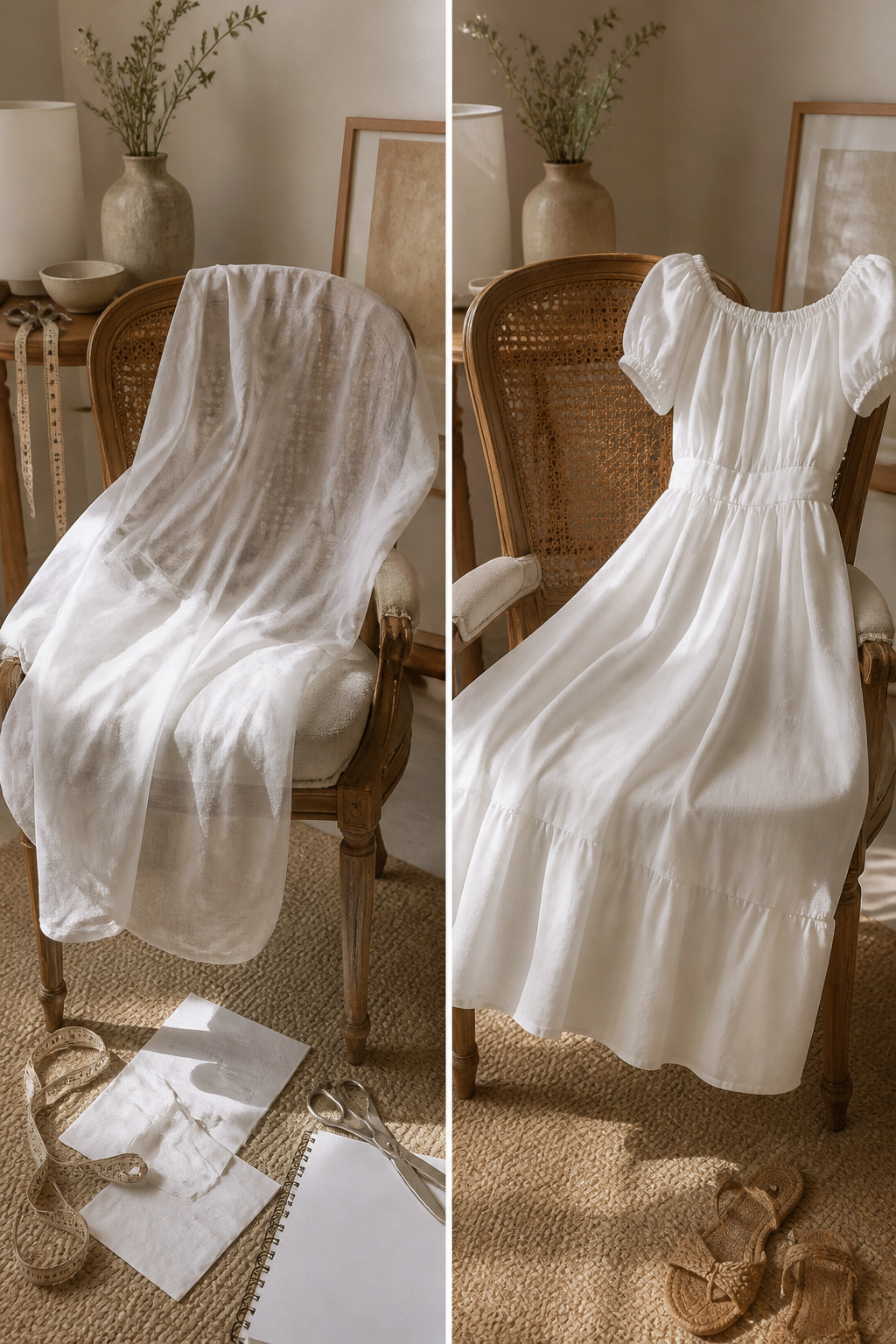
A white cotton dress I bought three summers ago looked opaque in my bedroom mirror but turned nearly transparent the first time I wore it to an outdoor lunch. The afternoon sun hit it from behind at 1 p.m., and the fabric might as well have been gauze. I retired it after that single wear because a dress you cannot stand in daylight is not a summer dress, it is a liability.
Linen blends promise easy breathing but the wrong blend wrinkles while you are still buttering toast. One dress I owned, roughly 55 percent linen and 45 percent rayon, looked crisp at 9 a.m. and like slept-in bedding by 11. I gave it four tries, thinking I had not hung it right or steamed it long enough. The fifth wear confirmed the fabric itself was the problem.
Strapless styles are another category where construction either works or betrays you immediately. A bodice with no grip strips or boning means you are hoisting the dress back into place every time you reach for your drink. I spent one wedding reception with my arms crossed just to keep the top from sliding. That dress stayed in the closet another year out of guilt, then left in a donation bag unworn after.
Care That Preserves the Shape
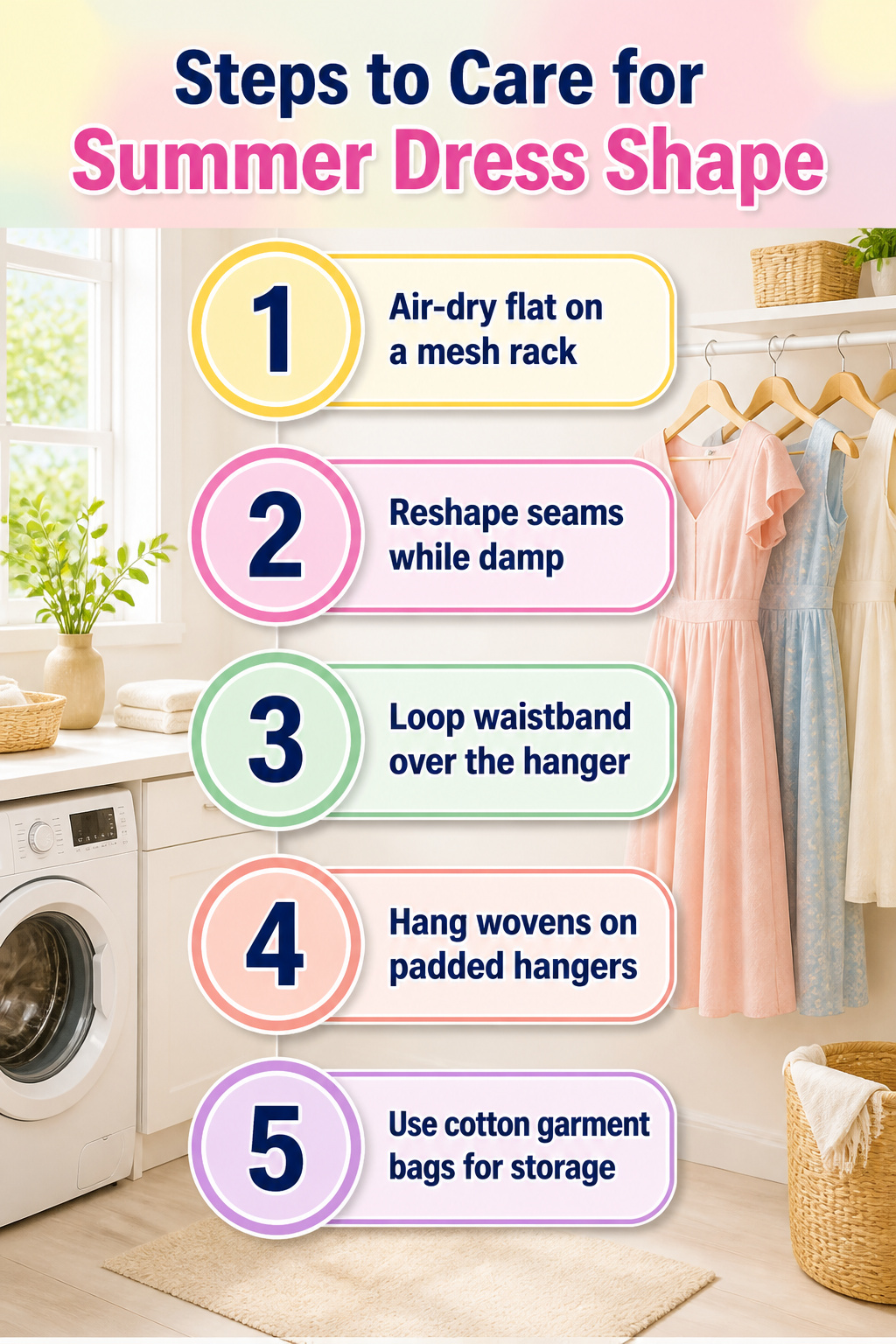
A Fit & Flare dress left on a radiator in a college apartment taught me what heat does to structured skirts. The bodice held, but the flare flattened into a limp A-line that never bounced back. Air-dry cotton and linen blends flat on a mesh rack, reshaping the seams with your hands while damp. Hanging wet dresses by the shoulders stretches the armholes and drags the hemline lower on one side; loop the waistband over the bar instead if space forces it upright. For anything with a defined waist or pleats, drying flat preserves the architecture the pattern was built around.
Storage follows the same logic. Knits fold. Wovens with shape, like that Fit & Flare or anything with tucks, hang on padded or wide wooden hangers so the shoulders don’t crease. Slip a cotton garment bag over anything you won’t wear for weeks; dust settles into fibers and dulls color faster than light does. Cedar blocks beat mothballs for smell, and they don’t leave a chemical film that sends you back to the wash.
Frequently Asked Questions
What are the best summer dress styles?
The best summer dress styles balance fabric weight, sleeve length, and hemline to match your actual plans. Sleeveless designs dominate this season’s collection at 97 pieces, with short sleeve at 45 and long sleeve at 16, while midi lengths hit the sweet spot for most calendars by working with both flat sandals and heels. The 200 styles in this collection split across three price tiers, with the bulk of investment sitting between $50–$499.99 where fabric quality and cut refinement actually show up.
How do I style a summer dress?
Match your shoe weight to your sleeve length, then let one piece of jewelry do the talking. Cap sleeve dresses pair best with delicate sandals and a single bracelet, while strapless styles need a heeled sandal or clean wedge to keep the line long with one oversized ring or cuff. A lightweight cardigan or denim jacket over any style extends the outfit past sunset without changing the core pairing.
What fabrics are best for summer dresses?
100% cotton, cotton blends, and linen blends outperform fully synthetic options for summer heat and humidity. Cotton pulls moisture away from skin and lets air pass through the weave; cotton blends add a small percentage of synthetic fiber to reduce wrinkling and help shape retention; linen blends soften pure linen’s stiffness while keeping that cool, dry hand-feel. These three materials handle sweat and heat better than anything fully synthetic, and they photograph better too since polyester sheen catches light in ways that read cheap in candid shots.