Bleach blonde hair runs about $500 to start and demands three separate salon sessions with rest periods between them, each lasting up to 8 hours. Most people underestimate the toning step, not the bleaching itself, and walk out brassy or worse because purple shampoo cannot replace actual toner. That 10-hour marathon one Allure writer documented was not an outlier; it was the standard for dark brown to pale blonde.
1. Consultation
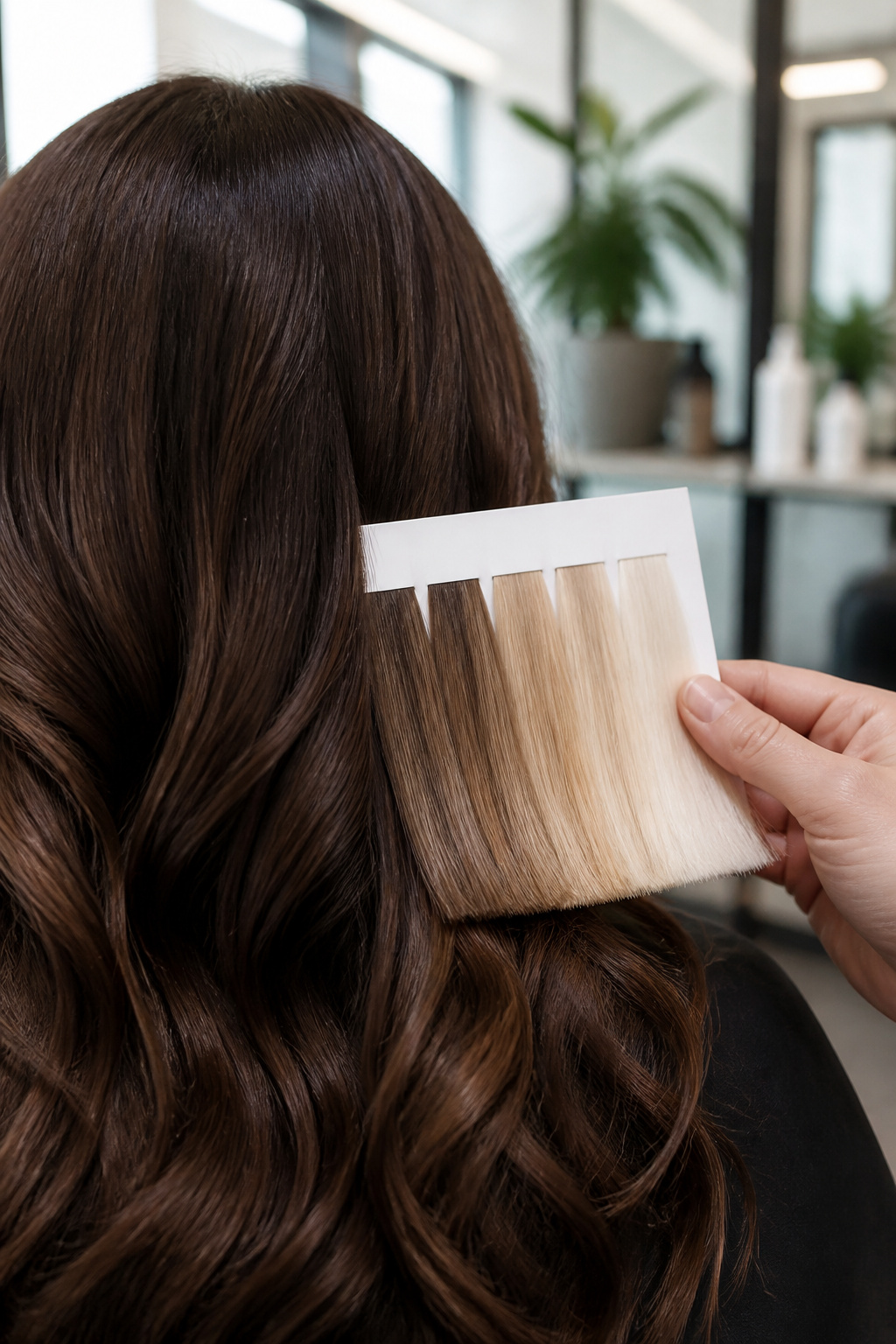
Walking into a salon with dark brown hair and expecting platinum in one afternoon is the fastest way to damage that can’t be reversed. A professional stylist will examine your strands under light, check for previous color or chemical treatments, and tell you straight whether your goal is achievable that day or needs spacing out across multiple visits. Three separate lightening sessions is the typical path from dark brown to very pale blonde, with rest periods between each to keep the hair from snapping. The consultation is where you learn the real timeline and cost, not from a box promising instant results. Darker starting colors demand more patience, and pushing bleach past what the hair can handle in one session leaves you with breakage that no conditioning treatment fixes. The stylists who do this well treat it as a long journey rather than a quick change, and the ones worth sitting with will refuse to rush it.
2. Lightening Process
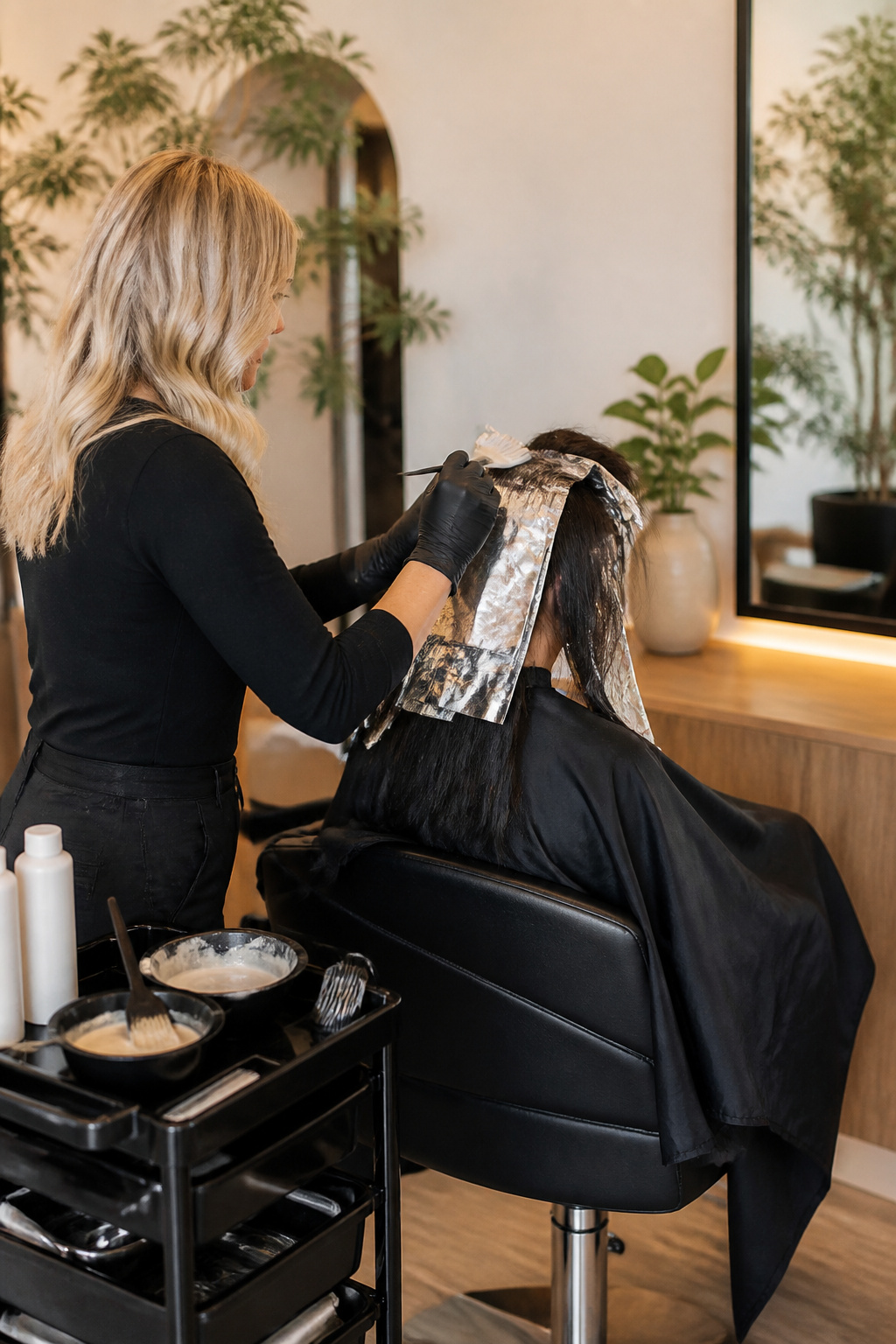
Bleach works by oxidizing the melanin that gives hair its color, breaking those pigment molecules apart with hydrogen peroxide and persulfate salts activated under alkaline conditions. At-home formulas usually carry a 6% hydrogen peroxide solution, while salon-grade products can run as high as 9%. The darker your starting shade, the more rounds this takes: black hair lifts through brown, red, orange, orange-yellow, yellow, and finally pale yellow, which means multiple sessions with rest periods between them rather than one aggressive push.
A single transformation can stretch anywhere from 4 to 10 hours of total processing time depending on length, texture, and how many levels you’re jumping. One Allure writer clocked her own brunette-to-blonde shift at a full 10-hour marathon in the chair.
"A transformation like this is essentially like climbing Mount Everest: It takes lots of time, it is a financial investment, and requires lots of at-home maintenance."
— Allure
That means planning your calendar, not just your budget. For very dark or already sensitized hair, a lower-volume developer and spaced-out sessions protect the strand integrity better than rushing the lift.
3. Toning
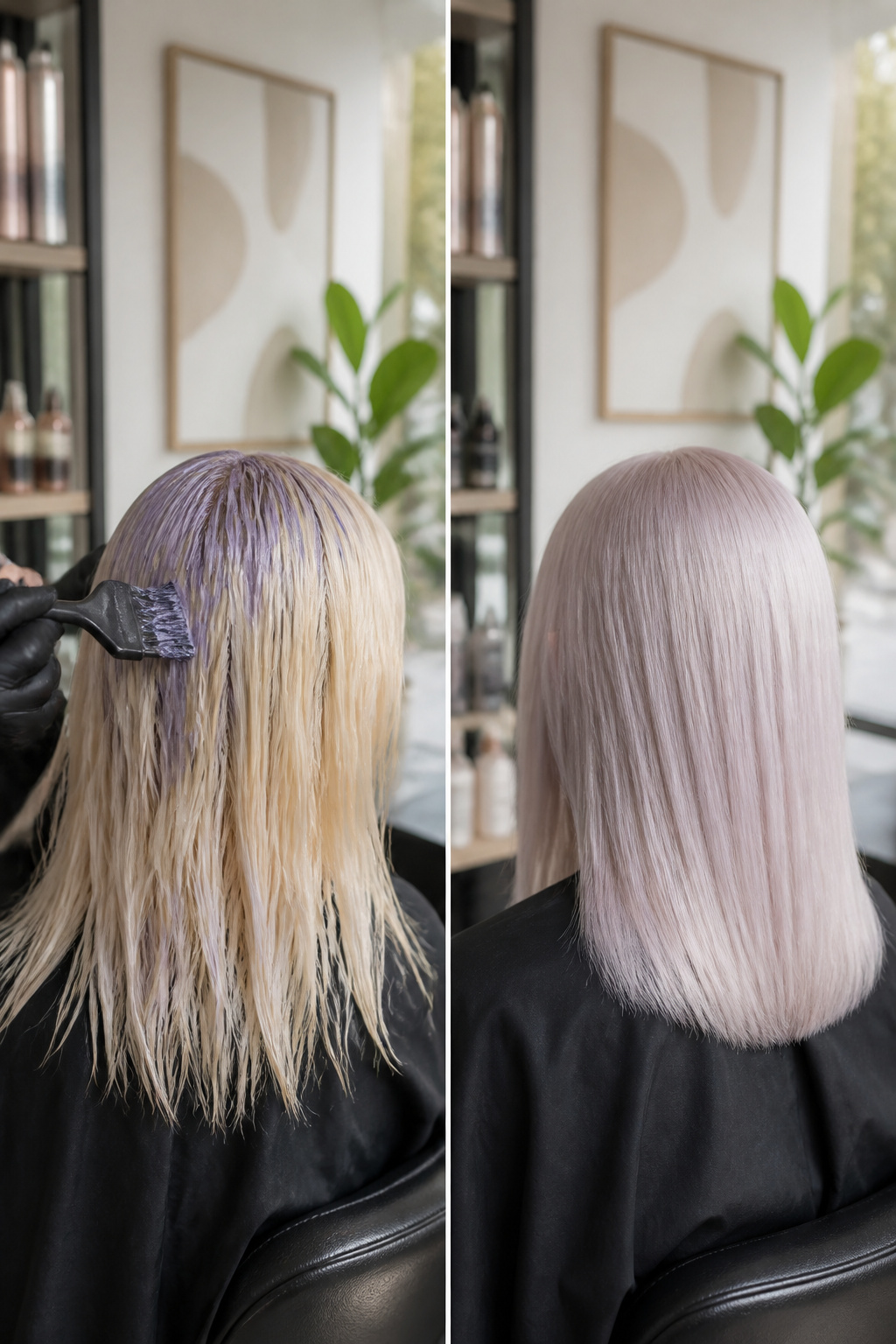
Bleaching lifts pigment out, but it does not decide whether you walk out icy, buttery, or somewhere between. That happens in the toning step, and skipping it or rushing it is where most at-home jobs turn brassy or, worse, an unintended blue.
Color theory drives the choice. Purple cancels yellow; blue cancels orange. A toner with the right underlying pigment is what shifts bleached hair from raw lift to the actual shade you want, whether that is pearl, ice, or a warmer vanilla. The bleach gets you pale; the toner gets you blonde.
The catch is that toner fades with every shampoo. All underlying pigment in hair is warm, so as the corrective tone washes away, yellow reappears. Purple shampoo helps stretch the interval between full toning sessions by depositing small amounts of violet pigment each wash, but it does not replace a proper toner application when brassiness has fully returned.
For anyone coloring over bleached hair with something more vibrant, temporary, semi-, and demi-permanent dyes are generally safe to use right after toning. Permanent color is better delayed a few days or weeks to let the strands recover.
4. Post-Lightening Care
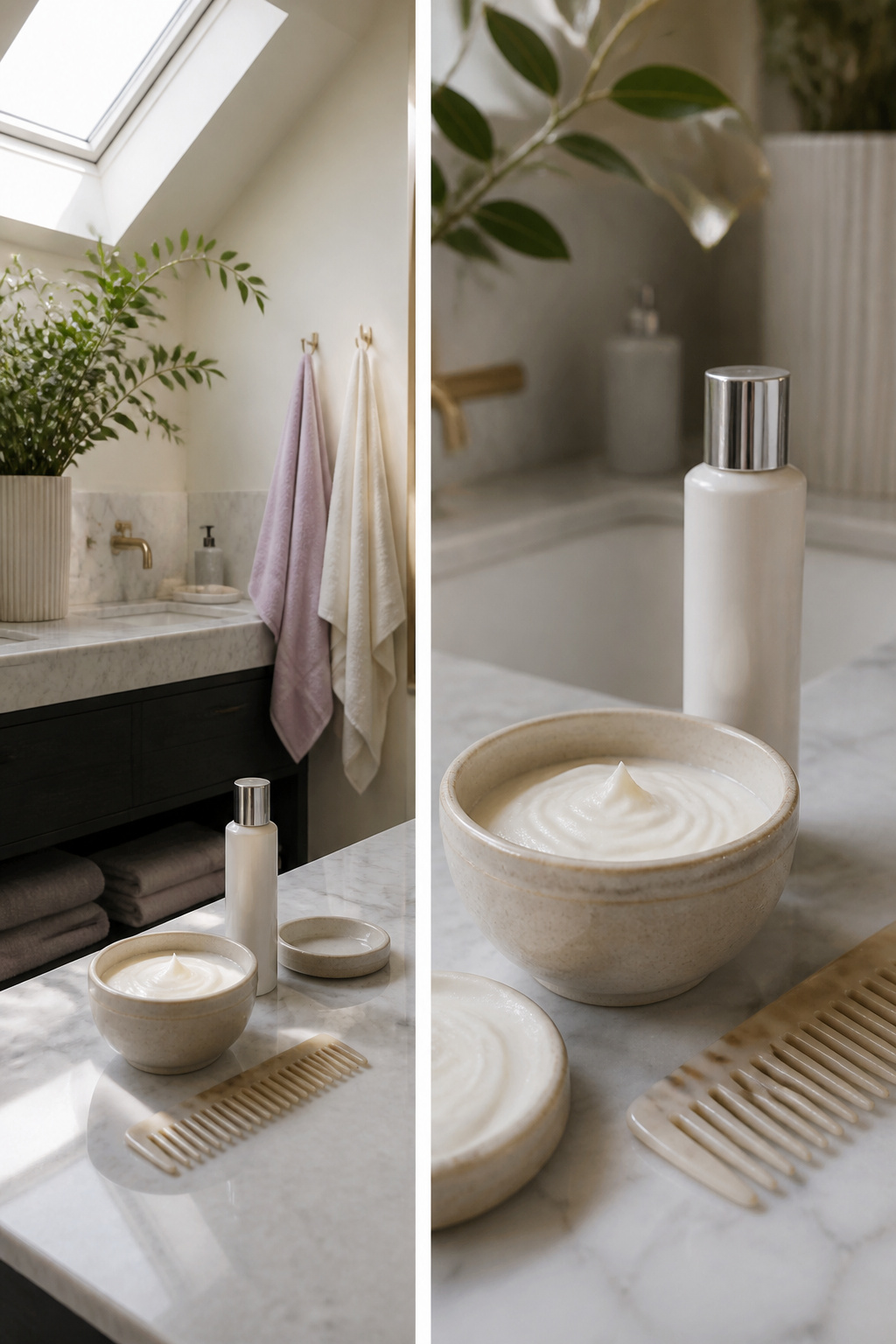
Bleached hair comes out of the salon thirsty. The cuticle has been lifted, the cortex exposed, and moisture evaporates faster than your regular conditioner can replace it. Deep conditioning treatments need to happen every single wash, not as a weekly bonus. I alternate between two kinds: a bonding treatment to rebuild the broken disulfide bonds that bleaching snaps apart, and a separate moisture treatment to push hydration back into the strand. Bonding treatments strengthen; they do not moisturize, so doing only one leaves the hair brittle in a different way. Olaplex makes both a bond builder and a moisture line, and Pravana pairs a purple moisture mask with their standard moisture treatment if brass control is still on your mind. For a drugstore option, L’Oréal Paris Elvive Total Repair 5 Power Restore Multi-Use Treatment is protein-infused and meant to target the dryness, split ends, and breakage that show up after lightening. Weekly masking is the minimum maintenance window; stretch it longer and the straw texture returns before your next root touch-up.
5. Regular Touch-Ups

Root regrowth on bleach blonde hair starts showing at the scalp line in a matter of weeks, and the contrast only sharpens from there. Schedule root touch-ups and toning refreshers every 4 to 6 weeks to keep the color even and stop the banded look that happens when new growth sits too long against lighter lengths. Toning sessions between bleaching appointments help refine the shade without another full lift, which matters because stretched-out schedules are where most of the long-term time and cost investment actually goes. A purple conditioner used every few days can stretch the freshness of that toner, canceling the brassy yellow that surfaces as the tone fades. Between appointments, lean on weekly gloss treatments rather than reaching for bleach again; spacing the heavy lifting protects against the breakage and rough feel that tell you to wait longer.
6. At-Home Maintenance

Purple shampoo became my daily defense against brassiness the moment I realized my toner was fading faster than I expected. Most bottles suggest swapping it in whenever yellow tones surface, though some colorists treat it as a near-daily wash if you are chasing that bright white finish. The pigment works because purple sits opposite yellow on the color wheel, canceling out the warm undertones that bleach blonde hair always drifts toward.
A color-safe shampoo and conditioner pair keeps the cuticle closed longer, which matters more than marketing language about "gentle" formulas. Heat protection is non-negotiable after bleaching; your strands are already compromised, and anything above room temperature risks further breakage. The better leave-ins shield up to 450 degrees Fahrenheit while doubling as detanglers, so you are not layering five products where two suffice.
Weekly deep conditioning replaces the moisture bleach strips out, and a lightweight hair oil on damp ends controls the frizz that damaged hair loves to show off. At night, cotton pillowcases create friction that splits already fragile strands. Silk or satin reduces that mechanical damage, and a bonnet takes the protection further if your hair is long enough to tangle while you sleep.
Hair Damage

Bleaching strips pigment by opening the hair cuticle, those overlapping cells that normally lie flat like shingles. Hydrogen peroxide and persulfate salts, the active agents in most formulas, oxidize the melanin inside. The cuticle lifts to let them reach it, and it does not always seal back down cleanly afterward. Even when hair looks intact, the structure has changed.
That change is permanent. Salon-grade peroxide runs up to 9%, home kits around 6%, and either concentration degrades the protein bonds that give hair its strength. The strand becomes more porous, which means it absorbs moisture fast and loses it just as fast. It tangles more easily, snaps under less stress, and feels gummy when the damage is severe. Curly and coily textures already struggle to distribute natural oils down the shaft, so they feel the brittleness sooner.
Quality products can buffer the process, but they cannot outrun the chemistry. Olaplex and similar bond-builders rebuild some of the broken disulfide bridges, and deep conditioners patch the surface temporarily. None of that restores the cuticle to its original state. The hair is more fragile than it was before bleaching, and it stays that way until it grows out and is cut off.
Cost and Time
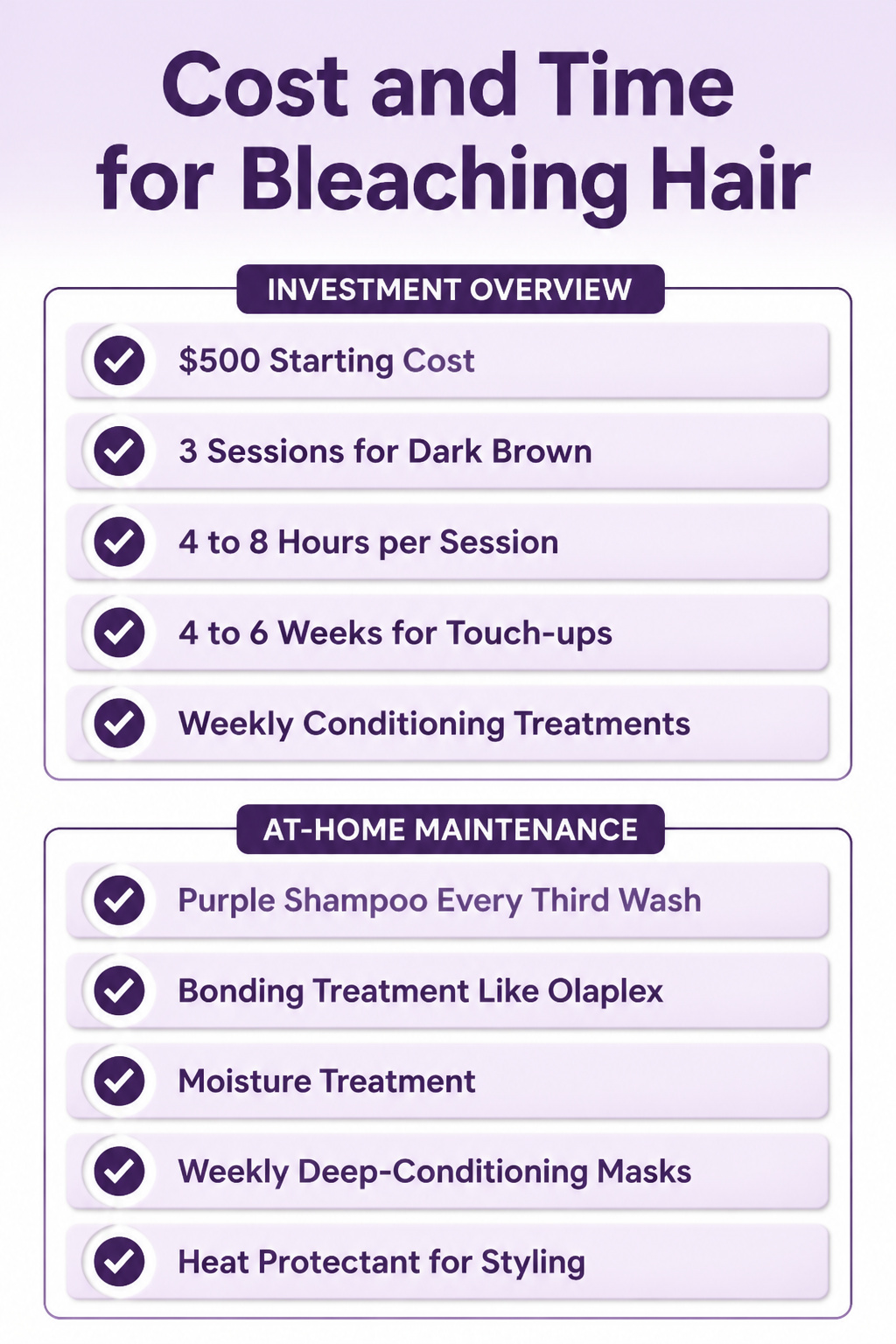
The bill for bleach blonde hair starts around $500 and climbs from there, depending on how much pigment your stylist is lifting and how many sessions the process demands. Dark brown to pale blonde typically needs three separate lifts with rest periods between them, and a single session can run anywhere from 4 to 8 hours in the chair.
Maintenance is where the real money hides. Root touch-ups and toning land every 4 to 6 weeks, and the at-home routine adds up fast: purple shampoo used every third wash, a bonding treatment like Olaplex alternated with a moisture treatment, weekly deep-conditioning masks, and heat protectant for any styling. Skip the bonding work and the moisture work, and the hair you paid to lighten starts snapping off.
Some stylists compare the full transformation to climbing Mount Everest: expensive, time-heavy, and not a one-and-done project. The ones who do it right space the bleaching out to limit breakage, which stretches the timeline but protects the canvas. Rushing it saves hours now and costs length later.
Salon vs. At-Home Bleaching
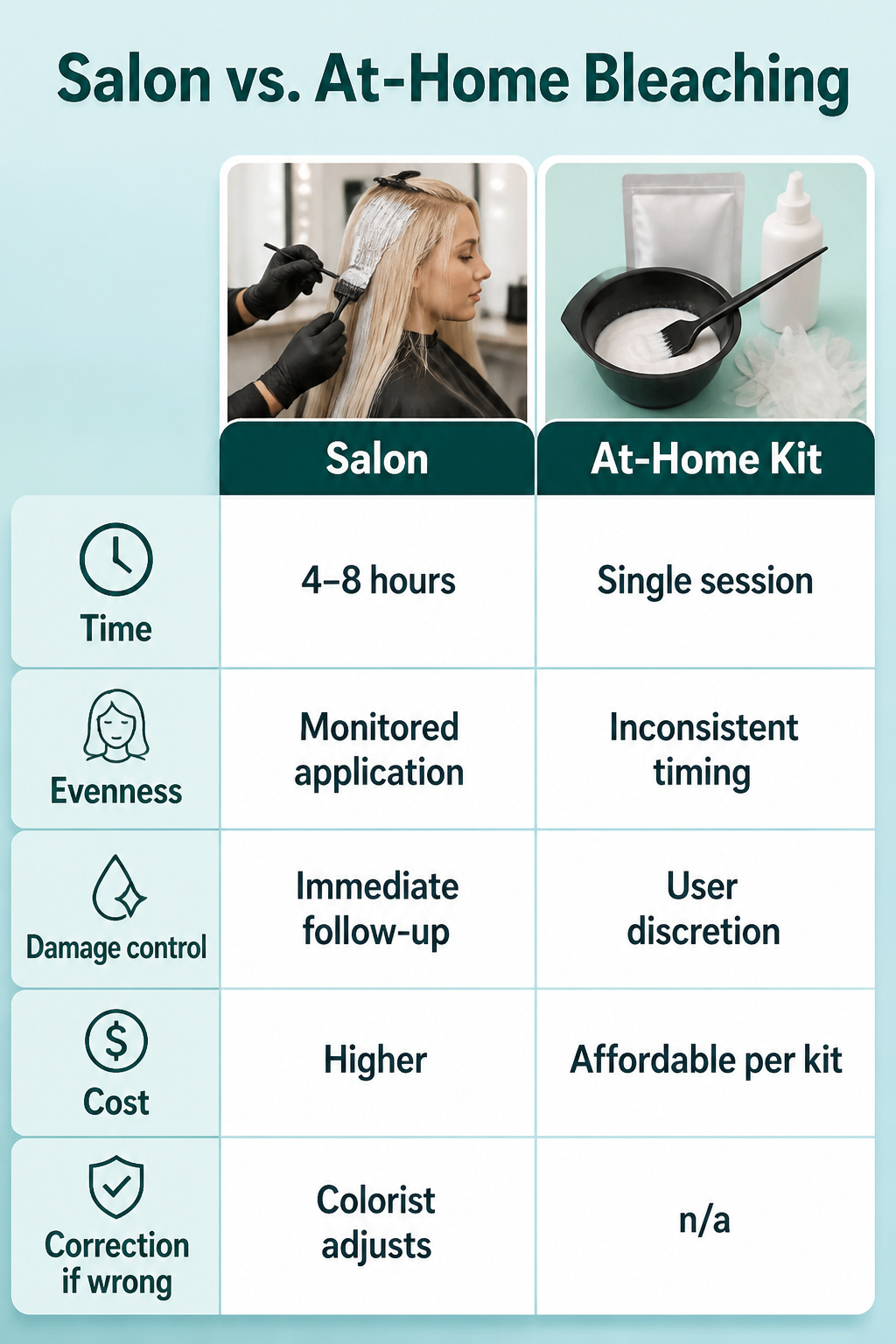
The decision between salon and at-home bleaching comes down to how much control you need over timing and chemistry. Bleach keeps working until it dries out, unlike hair color that stops on its own, which makes over-processing easy to do by accident. A stylist sections the hair and monitors each area’s progress, applying different formulas to previously colored strands versus virgin growth so the lift stays even.
| Salon | At-Home Kit | |
|---|---|---|
| Time | 4–8 hours, possibly across multiple sessions | Single session, self-paced |
| Evenness | Sectioned, monitored application | Risk of inconsistent timing between sections |
| Damage control | Toner and conditioning follow immediately | User must recognize when to stop |
| Cost | Higher | "Affordable" per kit |
| Correction if wrong | Colorist can adjust | n/a |
The real risk is structural, not just color. Over-bleached hair turns gummy and can shed entirely, and uneven application means some patches lift too far while others stay dark. Virgin hair handles bleach more predictably than hair with previous color or relaxer, which needs slower, staged lightening. If your hair already feels straw-like or breaks easily, either path should wait until the strands recover enough to withstand the process.
Frequently Asked Questions
How can you go from brunette to blonde?
Start with a professional consultation so a stylist can examine your hair under light, check for previous treatments, and map out a realistic plan. Dark brown to very pale blonde typically takes three separate lightening sessions with rest periods between them, and rushing the process causes breakage that no conditioner can fix.
What should you expect when going from brunette to blonde?
Expect multiple long sessions and a significant investment. A single transformation can run 4 to 10 hours of total processing time, and the bill starts around $500 and climbs from there. One Allure writer clocked her own brunette-to-blonde shift at a full 10-hour marathon in the chair.
How should you maintain blonde hair at home?
Use purple shampoo to cancel brassy yellow tones, deep condition every single wash, and minimize heat styling. Alternate between bonding treatments to rebuild broken disulfide bonds and moisture treatments to rehydrate the strand; doing only one leaves hair brittle in a different way. Sleep on silk or satin to reduce friction damage on already fragile strands.