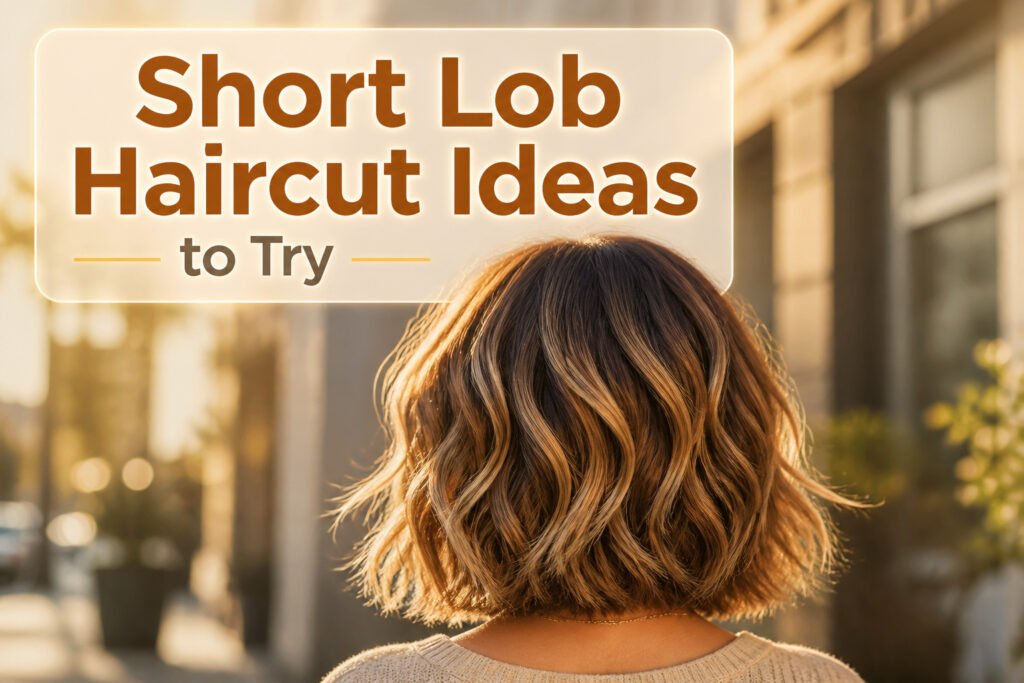
The short lob haircut works because it keeps the shape of short hair while giving you enough length to actually style it. The catch is that those few extra inches past the chin are easy to misjudge; cut too close to the jawline and you land in bob territory where movement disappears. Marc Ballance, the celebrity stylist who defined the distinction, puts the difference in that collarbone-to-shoulder midpoint. Julianne Moore’s version shows why it matters: loose texture with a sleek finish, styled in minutes, pulled back if the morning goes wrong.
1. Classic Lob
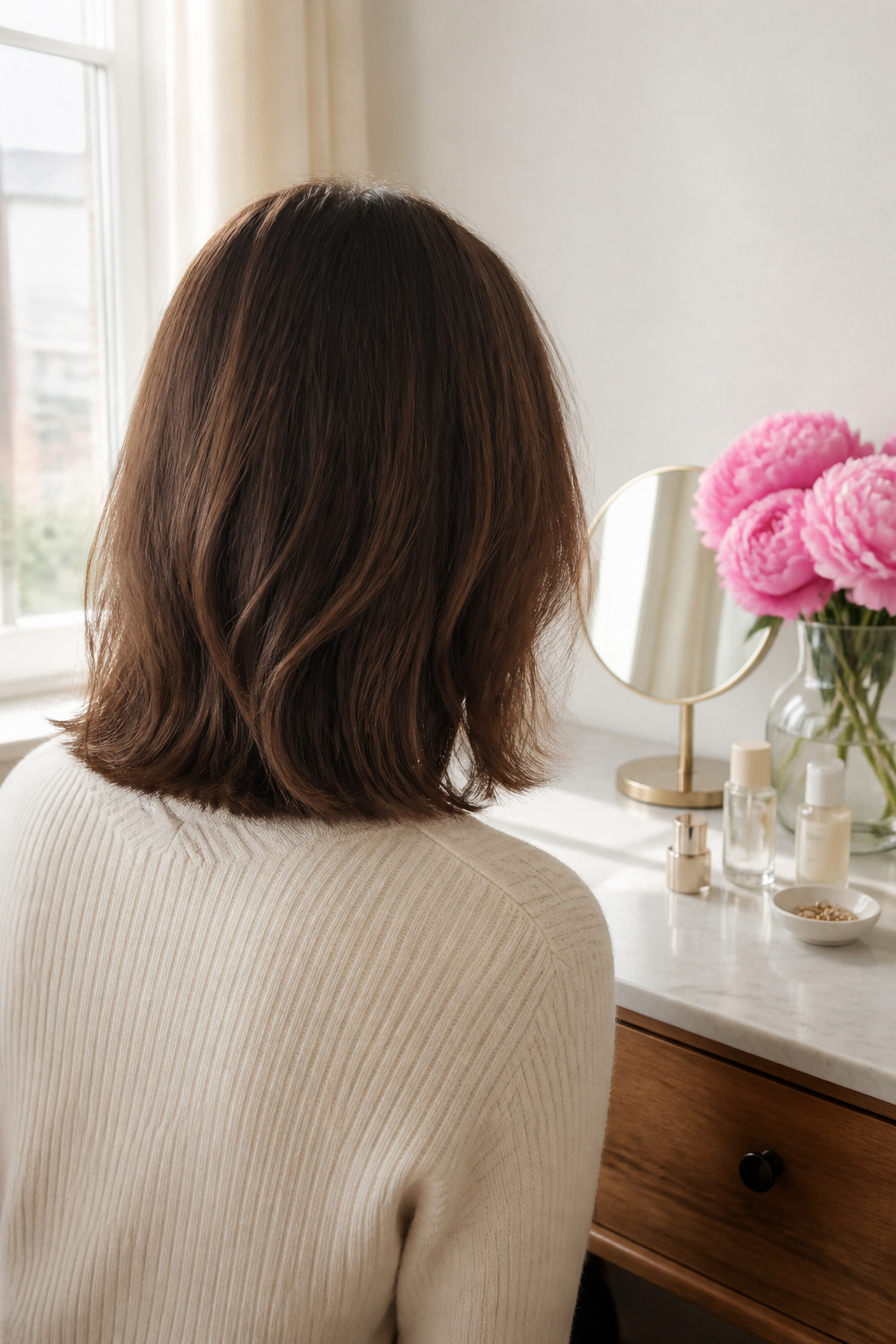
The collarbone-length cut is where the lob earns its name. A bob stops at the chin or jawline; the lob keeps going until it sits between the collarbone and shoulders, right at that midpoint where you still get the clean shape of short hair but enough length to actually style it. Celebrity stylist Marc Ballance puts the distinction in those few extra inches, and they matter more than you’d expect for daily wear.
Julianne Moore’s version of this style pairs loose texture with a sleek finish, which is the balance that makes a classic lob workable for most mornings. Too much polish and it goes corporate; too little and it reads as grown-out rather than intentional. A little air-dry cream or a quick pass with a curling iron gives that slight movement without pushing into full volume territory. The real advantage here is flexibility: the length lets you pull it back if needed, but it still holds a defined silhouette when worn down. For anyone easing from long hair toward something shorter, this is the transitional cut that doesn’t feel like a compromise.
2. Voluminous Lob

Teased roots and styled ends turn the standard short lob haircut into something with real bounce. The length sits right at that sweet spot: long enough to build volume with a round brush and a few backcombed sections at the crown, but short enough that the ends don’t drag the whole shape down. A big roller set through the back gives the body and lift that elongates the neck, while the lob length keeps enough weight to hold the style through the day. What separates this from a bob is exactly that extra length; you get the polished, shaped silhouette without the cut creeping up toward the chin. Zendaya’s honey-toned version shows how the combination works: volume at the root, movement through the ends, and nothing heavy about the overall feel. For mornings when flatness is the enemy, this is the variation that solves it without sacrificing the lob’s easy, wearable shape.
3. Curly Lob

A shorter cut on curly hair can feel like a gamble, but removing weight usually adds bounce and definition you do not get from longer lengths. The real question is where the cut lands once your hair dries.
Curl pattern and shrinkage decide that final line, not the mirror at the salon. Have the cut done while your hair is curly and dry, so you see exactly how much spring-back you are working with before the scissors close. What looks like a safe, conservative length wet can shrink up into something shorter than you planned.
Starting conservative is the safer play. The length can always come up once you have lived with the dry shape for a week or two and know how your curls behave at that new weight.
4. Flipped-Out Lob

The flipped-out lob turns the ends away from the face instead of under, which changes the whole silhouette. That outward kick reads mod and modern at once, a balance Michelle Williams showed at the 2019 Emmys with a shorter cut that still carried the same energy.
Don’t listen to anyone who cautions against flared-out ends with a shorter hairstyle. As Michelle Williams demonstrated at the Emmys in 2019, a flipped-out bob toes the line between mod and modern.
The cut itself matters as much as the styling. Piecey layers are what let the ends separate and flip rather than fall heavy, so ask for piecey layers specifically when you’re in the chair. Without that interior texture, the shape goes limp or poufs wrong.
Heat styling has to work against the hair’s natural inclination to curl under or hang straight. A round brush blown outward at the ends works, though the set won’t survive humidity without help. Texture spray is the product that holds the direction; sources keep mentioning it for this look, and skipping it means the flip collapses by midday. Dry shampoo at the roots first keeps the lift from falling flat too, especially if you’re working with hair that was washed the day before.
5. ’90s Layered Lob

Heavy textured layers from the mid-90s still read as modern because the shape does the work instead of the styling. Gwyneth Paltrow’s 1997 Oscar look is the reference point most stylists pull up on their phones when a client asks for this cut: chin-grazing length with razored layers that start at the cheekbone and kick outward. The movement comes from interior weight removal, not from curling-iron tricks afterward.
Your hair needs real thickness to support the architecture. Fine strands collapse into stringy ribbons under this much layering, so ask for a consultation before committing to the full version. A skilled cutter will leave more weight at the perimeter if your density runs low.
The grow-out is forgiving compared to blunter shapes because the layers soften the line as they drop. That said, you will need trimming every eight to ten weeks to keep the ends from going wispy and losing the deliberate geometry. Air-drying works better than forced heat here; the layers find their own separation with a dab of texturizing cream raked through while damp.
6. French Lob

A blunt perimeter with full bangs at collarbone length reads Parisian instead of schoolgirl because the extra inches drop the line below the chin. The jaw gets defined by the cut’s edge, not hidden under it, which is where the bob version can land you if your face shape isn’t the classic oval.
Keep both the ends and the fringe cut straight across. A little feathering at the bangs keeps the look from going stiff, and a salt spray scrunched through dry hair finishes the texture without curling it under. The movement matters: too polished and the effect shifts from Left Bank to pageant.
The lob gives you room to play that the bob doesn’t. You can still pull it back if the fringe grows out awkward, or let the ends air-dry into a slight wave without the length flipping where you don’t want it. That midway point between chin and shoulder is what makes the commitment feel manageable the first few weeks.
7. Old Money Lob

The polish on an old money lob lives in the styling, not the scissors. A side part with ends drawn sleek and straight carries the whole reference: Carolyn Bessette-Kennedy leaving her apartment in the ’90s, hair swinging just past her jaw with a weight that looked expensive because it looked deliberate. The cut itself can be blunt or slightly longer in front, but the effect depends on finishing. Flat-iron the ends under or straight down, nothing flicked out, nothing tousled. Elle Fanning has worn this shape recently, and the attention goes to the line of the cut rather than the texture. It works for formal occasions or nothing special at all, which is partly the point. The vintage aesthetic asks for restraint: no visible layers, no beach wave, no product crunch. Just the side part, the smooth fall, and the suggestion that this took no effort because the foundation was right to begin with.
8. Romantic Lob

Big, bouncy curls turn a short lob haircut into something deliberate and glamorous, not just hair left to its own texture. The set matters here. A thick barrel curling wand or rollers build the volume from the root down, and the finish is polished rather than slept-in. Kerry Washington’s current cut shows how the length frames the face while keeping that dramatic volume intact.
The difference from a curly lob is the intent behind it. Natural texture gets enhanced; this gets styled from start to finish with a specific shape in mind. Tousling the curls at the end loosens them, but the underlying structure stays. For my own routine, the heat protection step comes first and heavy, midshaft to ends, before any tool touches the hair. The glamor holds when the prep is thorough and the set is allowed to cool completely before fingers go through it.
9. Wispy Bangs Lob
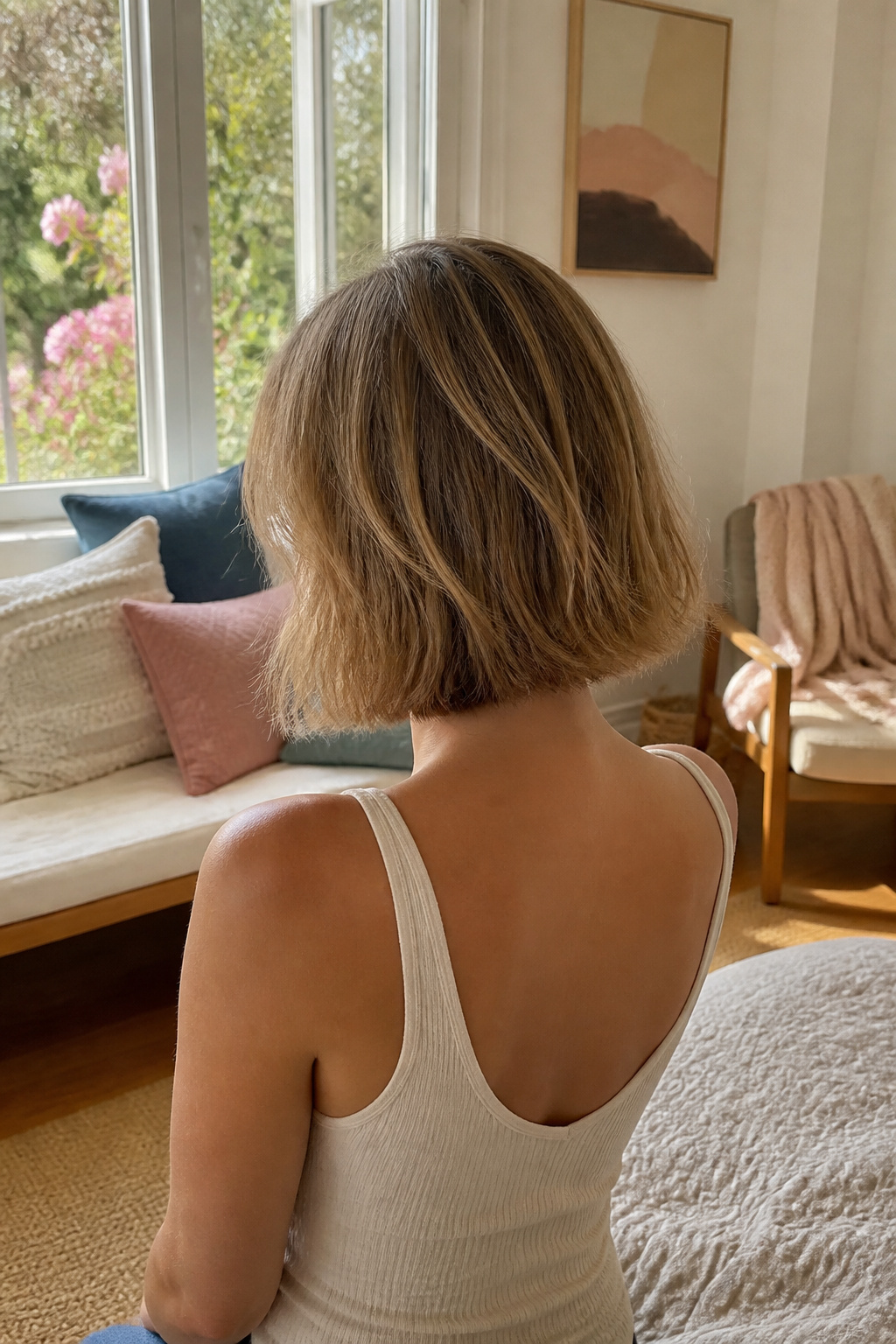
Wispy bangs and lobs share the same promise: the look of a full commitment with less upkeep than you’d expect. The fringe breaks up the horizontal line that can make a lob feel heavy at the ends, especially on thicker hair. Rogerio Cavalcante, who owns Second Floor Salon in New York, suggests asking for shorter pieces layered to hit at the eye or temple. A small section in the center can go shorter if you want more of a true bang, but keep it narrow enough that the hair still moves.
The weight at the ends needs that lightness at the front, or the whole shape tilts downward. I’ve seen the mistake enough times in photos to spot it: a blunt lob with wispy bangs that read as two separate haircuts rather than one. The integration works when the shortest pieces of fringe and the longest pieces of the lob share some middle ground, usually through subtle layering around the face. Fine hair benefits here too, since shorter cuts remove the length that pulls whispy strands flat.
10. Minimal Texture Lob

A short lob haircut with minimal texture lives or dies on the cut itself, because you are not hiding behind styling. The length sits right at or just above the collarbone, with long layers removed so the ends fall in one quiet line. What little movement exists comes from your own air-dried wave, not from a tool.
The routine is almost nothing. Wash, add a dollop of mousse to damp hair, and leave it. One source insists you keep your hands off while it dries, and that restraint matters. Touching invites frizz and breaks the forming pattern. Once fully dry, a flat iron passed quickly through midlengths adds only bends and crimps, not curls. Finish with a flexible hold hairspray to lock the shape without stiffness.
Product investment stays low. The mousse does the structural work; the hairspray only preserves what the air and the iron created. No blow dryer, no round brush, no curling iron. The whole point is refusing precision. A classic bob demands a sharp edge, but this length forgives. That forgiveness is what makes it wearable before coffee, after the gym, on third-day hair.
11. Slicked-Back Lob

A slicked-back short lob haircut exposes the entire perimeter of the cut while pulling every strand behind the ears. The blunt edge becomes the focal point, so the line needs to be clean.
This style is product-heavy by necessity. Start with a smoothing cream on damp hair, then blow-dry until the shaft lies flat. A flat iron finishes the surface, working from the bottom sections upward so the top layer stays controlled. A boar bristle brush sweeps everything backward, adding enough volume at the crown to keep the look from reading severe rather than polished. Bobby pins anchor the sides at the nape, and a final mist of hairspray locks the shape without dulling the surface.
The payoff is structure: your face and the cut’s architecture share equal billing. Between wash days, the accumulated oil actually helps the slick hold, which makes this a reliable second- or third-day style rather than a fresh-hair-only option.
12. Braided Lob

Braids on a short lob live in the tension between wanting the detail and not having quite enough length to anchor it. The hair at the nape often falls out of a standard three-strand before you’ve crossed the second section, and the sides can look pinched rather than playful. Stylists work around this by starting braids higher on the head, sometimes as far up as the crown, where the layers still share enough length to hold together. A small clear elastic placed where the braid naturally wants to unravel buys you another two inches of usable hair.
Dutch braids work better than French on shorter cuts because they sit on top of the hair, creating the illusion of volume and length that a sunken French braid steals away. For a single accent braid, the stylist typically pulls from the temple only, leaving the rest loose, rather than attempting to corral the full perimeter. Texturizing spray applied before braiding helps the sections grip each other without the slip that clean hair allows.
The real test comes at the ends. On a lob, braids often terminate in a stubby tail that refuses to taper gracefully. Most stylists hide this by pancaking the braid, loosening each loop outward until the width disguises the short finish, or they tuck the end under itself and pin. I’ve watched enough tutorials to notice the ones that skip this step; the result looks like a practice braid that escaped from beauty school, not a style choice.
13. Shaggy Lob

The vintage-inspired shag cut first reemerged around 2017, and pairing it with a collarbone-skimming length gives you the shaggy lob: interior layering that moves, not the heavier exterior stacks of its ’90s cousin. Curtain bangs usually come along for the ride, though the cut works without them too. The layering sits inside the shape rather than building out the perimeter, so the silhouette stays loose and ragged instead of blunt.
Pamela Anderson went ginger with hers this year, which tells you something about the range: rock-star edge on one head, soft and washed on another. Rough drying with a texturizing product keeps the layers from falling flat. The collarbone length matters here; shorter and you lose the swing, longer and the shag starts to look accidental rather than intentional.
14. Choppy Textured Lob

A choppy textured lob lives or dies by how the ends are cut. Point-cutting, where the shears snip vertically into the hair shaft, breaks up the line so pieces sit at slightly different lengths. Razor-cutting goes further, tapering each section to a soft tip that separates naturally rather than clumping into a blunt shelf. The result reads as deliberate texture, not hair that grew out three months ago.
Styling this cut is where the effort drops off. A flatiron pressed into loose bends, or a larger curling iron with the curls brushed out, gives the messy separation the cut is built for. Air-drying works too if the texture is already there, which is why this version wins for anyone with natural wave who wants a wash-and-wear morning. The shape frames the cheekbones and chin without requiring daily heat, and the volume comes from the cut itself rather than products layered on top.
15. Short Lob

A short lob haircut ends right at the nape of the neck, brushing the collarbone at most. That inch or two of extra length past the chin is what keeps it in lob territory rather than tipping into true bob country. Bobs sit at the jawline or higher, giving a sharper, more contained silhouette. The short lob trades some of that precision for movement; you can still pull it back or add a soft wave, which a classic bob rarely allows without pieces falling out. Stylists often call this the awkward middle phase when hair is growing out, but cut intentionally, it settles into a shape that flatters without the stark commitment of going full bob. For anyone nervous about losing length, this is the last stop before mid-length hair begins.
16. Sharp Lob

The graduated perimeter on a sharp lob drops from the back toward the front on a clean diagonal, so the pieces hitting your collarbone in front sit an inch or two above that at the nape. That angle is what makes the cut read as deliberate rather than grown-out.
In my view, this shape earns its name when the line stays crisp enough to reflect light. Soft layers diffuse the edge and turn it into something else entirely.
Face shape matters here. The longer front sections pull the eye downward, which helps round or square jawlines look longer. If your jaw is already narrow and angular, the same diagonal can look severe rather than defined, so the sharp lob is a choice, not a default.
Styling decides the final effect. Worn sleek and straight, the graduated line shows exactly as cut. Tousled waves break it up and move the look toward something softer, though the underlying geometry still holds. I have seen this cut described as edgy yet wearable, and that balance is the point: the structure does the work, so the styling does not have to.
17. Lob with Blunt Bangs

Straight-across bangs on a short lob haircut create a geometric contrast that keeps the cut from falling flat. The solid fringe acts as a horizontal anchor while the lob body stays softer, giving the style two distinct speeds rather than one uniform shape. Ask your stylist for straight-across bangs with a bit of feathering and movement so the line reads blunt without looking stiff. A little salt spray at the roots helps the fringe sit with texture instead of plastering against the forehead. The Parisian approach keeps both the ends and the bangs blunt for a sharper silhouette, though that full commitment to geometry works best on hair with some natural weight. Fine hair can lose the fringe’s density and end up wispy where the look demands a solid line. Either way, the bangs should be the statement and the lob the quieter support; reversing that balance turns the cut into something closer to a bob with an afterthought fringe.
18. Curly Bangs Lob

Curls and bangs together on a short lob read as intentional, not messy, only if the moisture balance holds. The moment either element dries out, the whole shape collapses into frizz that no amount of scrunching revives.
Your styling routine has to account for two different curl behaviors. The bangs sit against your forehead where oil and sweat collect, so they flatten or separate by noon if the product is too heavy. The lob length around your face needs more hold to keep its spring. A lightweight curl cream raked through soaking wet hair, then a dab of gel pressed only into the bangs while they’re still dripping, splits the difference without creating buildup where your skin touches the hair.
Diffusing changes with bangs in play. Tilting forward works for the crown and back, but the fringe sets cleaner if you switch to a side-to-side motion at low heat, fingers lifting the roots so they don’t dry plastered to your forehead. Skipping this step leaves you with the dreaded comma shape that no dry refresh fixes well.
Second-day hair on this cut is where most routines fail. The bangs need a targeted mist and finger-coil to reactivate, not a full rewetting that swells the cuticle and invites fuzz. A spray bottle with plain water and a drop of leave-in, aimed precisely, keeps the rest of the lob from absorbing excess moisture it doesn’t need.
19. Polished Waves Lob

Brushed-out curls give a short lob haircut its most elegant finish when you break the curl memory on purpose. The technique is backward from how most of us learned to style: instead of locking spirals in place, you set them fully, then brush them out while they are still warm.
A curling wand or flat iron creates the initial bend. Wrap sections away from the face, hold until heated through, then release and let each coil cool for about ten seconds. Here is the move that matters: run a natural-bristle brush through the warm curl before it sets hard. The hair remembers wave instead of spiral, and the surface flattens into that soft, continuous ripple Selena Gomez has worn with a deep side part.
The shape holds because you built structure underneath. Brush too late and the curl locks; brush too early and you lose the body entirely. The sweet spot is warm, not hot, still pliable but not steaming. A light mist of flexible-hold spray after brushing keeps the wave from dropping without adding crunch.
This finish reads as Old Hollywood because of the controlled movement, but the looseness keeps it from looking costume. It works especially well on a lob that hits at or just above the collarbone, where the wave has enough length to travel.
20. Baby Bangs Lob

Brow-length bangs on a lob walk a fine line. The cut can read severe or sweet, and the deciding factor is usually one finger’s width of length above or below the brow bone. Hit the brow exactly, and the face can look boxed in; let the fringe graze the upper lash line, and the proportion shifts toward something softer, almost retro-ladylike.
The lob itself needs to fall between the collarbone and shoulders to balance that much forehead coverage. Any shorter and the bangs dominate; any longer and the whole silhouette drags downward. I like the front pieces cut on a slight diagonal, longer than the back by maybe half an inch, so the face still has some elongation to counter the horizontal line across the brow.
Styling matters more here than with other bangs. The fringe must lie flat, which means directing the blow-dryer down and using a small round brush at the roots. Let them air-dry with a wave, and the look collapses into something accidental rather than intentional.
21. Full Layers Lob

Longer layers starting around the jawline bring fullness to a short lob haircut without sacrificing the clean perimeter that makes the cut readable. The layers sit above the base length, which typically falls between the collarbone and shoulders, so the ends keep enough density to look deliberate rather than grown out.
Movement comes from how the shorter pieces push off the longer ones underneath. On finer hair, this interaction adds body that a single-length cut would flatten by day two. The layering also breaks up the silhouette enough that air-drying looks intentional, not accidental.
The tradeoff is commitment at the salon. These layers need to be cut often enough that the shortest pieces don’t migrate up toward the ear and throw off the proportion. For anyone weighing blunt against layered, the question is whether you want the shape to do the work or you want to do it yourself each morning. Blunt wins for polish; layers win if you touch your hair twice and leave the house.
22. Curved Lob
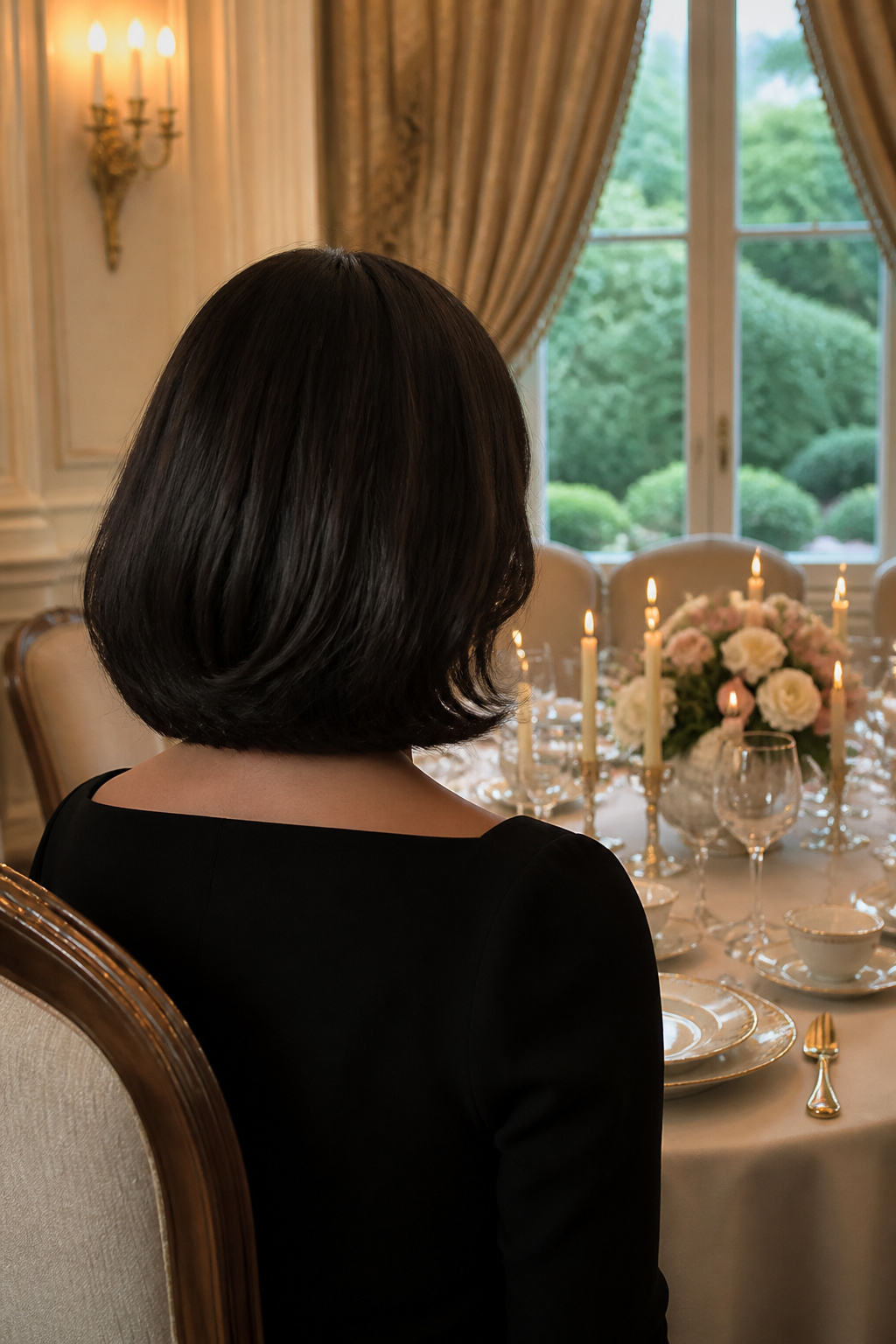
A flipped-under finish on a short lob reads formal without trying too hard, the kind of shape that works for a dinner where you want polish but not pageantry. The curve itself is what matters: one clean bend at the ends, uniform all the way around, nothing flicking outward or collapsing flat.
A large round brush and a blow dryer set on medium heat build that curve from wet hair. Work in vertical sections, rolling the brush under from midlength to ends and following it closely with the dryer nozzle. The tension against the brush is what sets the arc; if the hair dries before the shape locks in, the bend falls out by noon. For hair that fights direction or a finish that needs to last past midnight, a flat iron at 300–320°F does the correction fast. Clamp at midlength, rotate the iron a half-turn inward, and glide to the ends in one steady pull. Too slow and you get a crimp; too fast and the curve barely registers.
Shine spray finishes it. The sources mention Drybar’s Sparkling Soda for this, though any lightweight mist works if it does not grease the line of the jaw. Spray from at least eight inches out, let it settle, and resist the urge to touch the ends once they cool.
23. Ombré Lob

Chocolate melting into blonde at the ends does more than look dimensional on a short lob haircut; it changes how the shape moves. Darker roots anchor the cut visually, so the perimeter reads lighter and airier than a single-process color would allow. That contrast is what makes the lob feel like it has motion even when it is styled straight.
The placement matters more than the specific shades. Color concentrated at the ends draws the eye downward, which can lengthen a rounder face the same way an angled front section does. Keep the transition low, below the chin, if you want the color to slim rather than widen. Highlights that start higher add width at the cheekbones; on a lob that already hits at that level, the effect can feel heavy.
Loose waves break up the line between the two tones and keep the ombré from reading as a harsh stripe. A side part pushes more of the lighter ends forward, so the dimension sits where you actually see it. Straight styling works too, but the shift between colors becomes the whole story then, and any unevenness in the blend shows clearly.
24. Side-Parted Lob

A dramatic side part changes the whole geometry of a short lob haircut, pulling the bulk to one side so the opposite jawline gets more air. The asymmetry reads as two different lengths: the heavy side falls closer to the chin, while the lighter side exposes more of the cheek and neck. That contrast is what keeps the shape from looking like a standard bob.
Sleek strands matter here. Flatiron the hair straight down, directing the sectioning toward the part rather than straight back, so the line stays clean from root to end. The old money version of this keeps the part deep and the finish almost glassy, with attention focused on the ends. Without that polish, the cut can look accidental rather than intentional.
The style works across formality levels, though the sleeker you take it, the more it shifts toward evening. For daily wear, leaving a slight bend at the ends keeps it from feeling too finished for a Tuesday morning.
Versatility Across Hair Types

A short lob haircut behaves almost like a different style depending on what your hair naturally does. On straight or slightly wavy hair, the clean lines stay visible with minimal effort; a flat iron from roots to ends gives that glassy, refined finish that makes the cut look intentional rather than grown-out. The same length on coarse or curly hair asks more of you, since the shape can swell outward instead of falling in that neat silhouette. Fine hair tends to lie flatter against the head, which means the blunt edge of a lob can actually look fuller than layers would, while thick hair may need internal thinning to keep the bottom from forming a heavy shelf.
The styling time difference is real. Air drying works if you want the natural texture to show through; a texturizing spray helps the lob keep its shape without looking too done. Blow-drying and heat styling need a primer first, especially since the mid-length means you’re likely hitting the same sections with a curling iron or flat iron repeatedly. The same cut on your hair versus your friend’s can mean ten extra minutes of work or ten less, and that is worth knowing before you commit. An angled version, longer in front, can help elongate rounder face shapes; the symmetry of a blunt lob does the opposite, framing more squarely.
Maintenance Schedule

A short lob haircut stays presentable longer than a true bob because those extra inches past the jawline give the silhouette room to shift before it collapses. The standard cycle runs six to eight weeks for a trim that keeps the ends crisp and the weight line where your stylist intended it. Push past ten weeks and the shape starts to drag; the perimeter loses its edge and the cut begins to read as grown-out rather than intentional, especially if you started with a blunt baseline. The lob’s forgiveness has limits. Where a bob can hit that awkward in-between phase fast, the lob buys you time, but not immunity. The collarbone-to-shoulder zone is the sweet spot, and once growth carries you past it, the proportions that made the cut work start to work against you. Book the next appointment before you need it.
Styling Tools and Methods

- Prep starts with a heat protectant. One generous misting of TRESemmé Heat Tamer through midshaft to ends, on damp hair before blow-drying and again on dry hair before any iron touches it. Color-treated strands need that double layer.
- For a sleek finish, a flat iron set to the temperature your hair can take (fine hair stays lower, coarse hair needs more) glides from roots to ends in sections. Work bottom to top so no piece hides underneath and escapes. A smoothing serum, something in the Pantene line, keeps frizz from breaking the glassy surface.
- Beachy waves come from leaving the ends out. Wrap hair around a curling wand or the same flat iron, but stop before you reach the bottom inch. That straight tip is what sells the undone look.
- Volume lives in the root lift. A texturizing spray or sea salt mist scrunched through dried waves adds the grit that keeps the shape from falling flat. Aussie Mega hairspray locks the tousle without shellacking it.
- The boar bristle brush is the finishing move. Run it through straightened hair, sweeping everything back from the face. It presses the cuticle flat for shine and builds soft volume at the crown where flat irons can press too hard.
Celebrity References
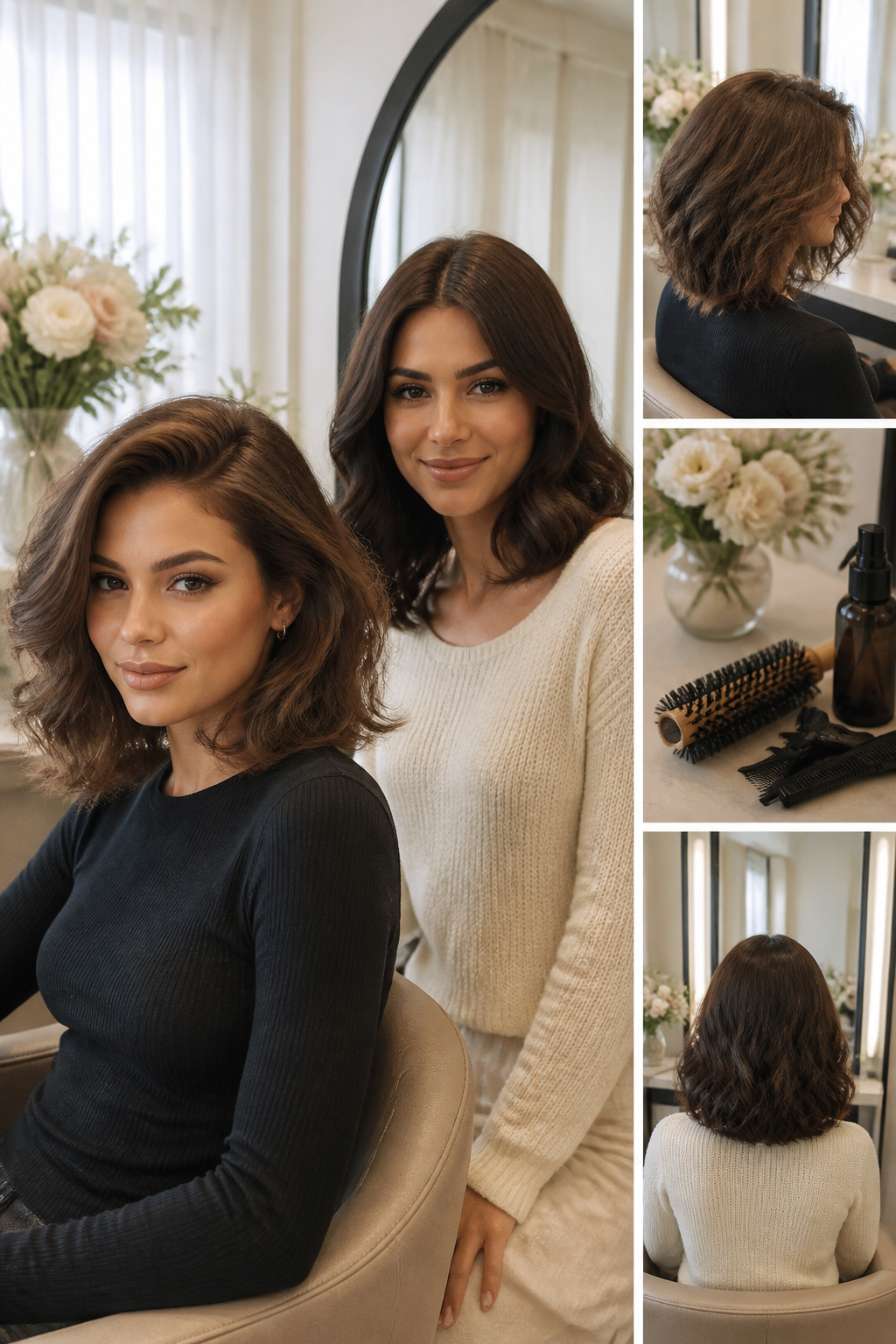
Zendaya’s honey lob made the case for height at the crown and movement through the ends, teased up at the root and finished light enough to bounce when she moved. That styling choice showed the cut could carry volume without looking heavy, a balance that convinced a lot of women the lob was not just another safe middle-ground length.
Selena Gomez pushed the same cut in the opposite direction. Her vintage-inspired styling for her own wedding, all polished waves and old-Hollywood glamour, proved the lob could read formal and deliberate rather than casual by default. Two textures, two moods, and both worked because the length itself stays out of the way. The cut is a frame; the styling supplies the statement. Seeing both versions in heavy rotation made the lob feel like a real option rather than a compromise for anyone not ready to commit to a bob or maintain long layers.
Frequently Asked Questions
What is a lob haircut?
A lob is a longer version of the classic bob, falling between the collarbone and shoulders. It keeps the clean shape of short hair but offers enough length to actually style. That midpoint gives you more flexibility than a shorter bob while still reading as a deliberate cut.
How do I style a lob haircut?
You can wear it straight, curled, waved, air-dried, or slicked back depending on the variation. The article covers specific techniques for each, from a round brush and backcombing for volume to brushing out warm curls for polished waves. Product choice shifts with the finish: texture spray for flipped ends, mousse for minimal texture, smoothing cream for slicked-back.
How often should I get a trim for a lob?
Every six to eight weeks keeps the shape fresh, though the lob grows out more forgivingly than a bob. Layered variations like the ’90s style need attention every eight to ten weeks to keep ends from going wispy. The extra length past the chin means you avoid the awkward phase that hits a true bob.
What are the benefits of a lob haircut?
The length hits a sweet spot: short enough to feel like a real cut, long enough to pull back or style multiple ways. It flatters most face shapes, works with every texture from pin-straight to coily, and grows out without the drama of a shorter style. The article shows 24 distinct ways to wear it, which tells you how much room there is to move.
Can I wear a lob with bangs?
Yes, and the article covers several ways to do it. Wispy bangs break up the horizontal line at the ends, blunt bangs create geometric contrast, curtain bangs come standard with the shaggy version, and curly bangs work if you balance moisture between the fringe and the length. Each style needs the right integration so the bangs and lob read as one cut, not two separate ideas.